

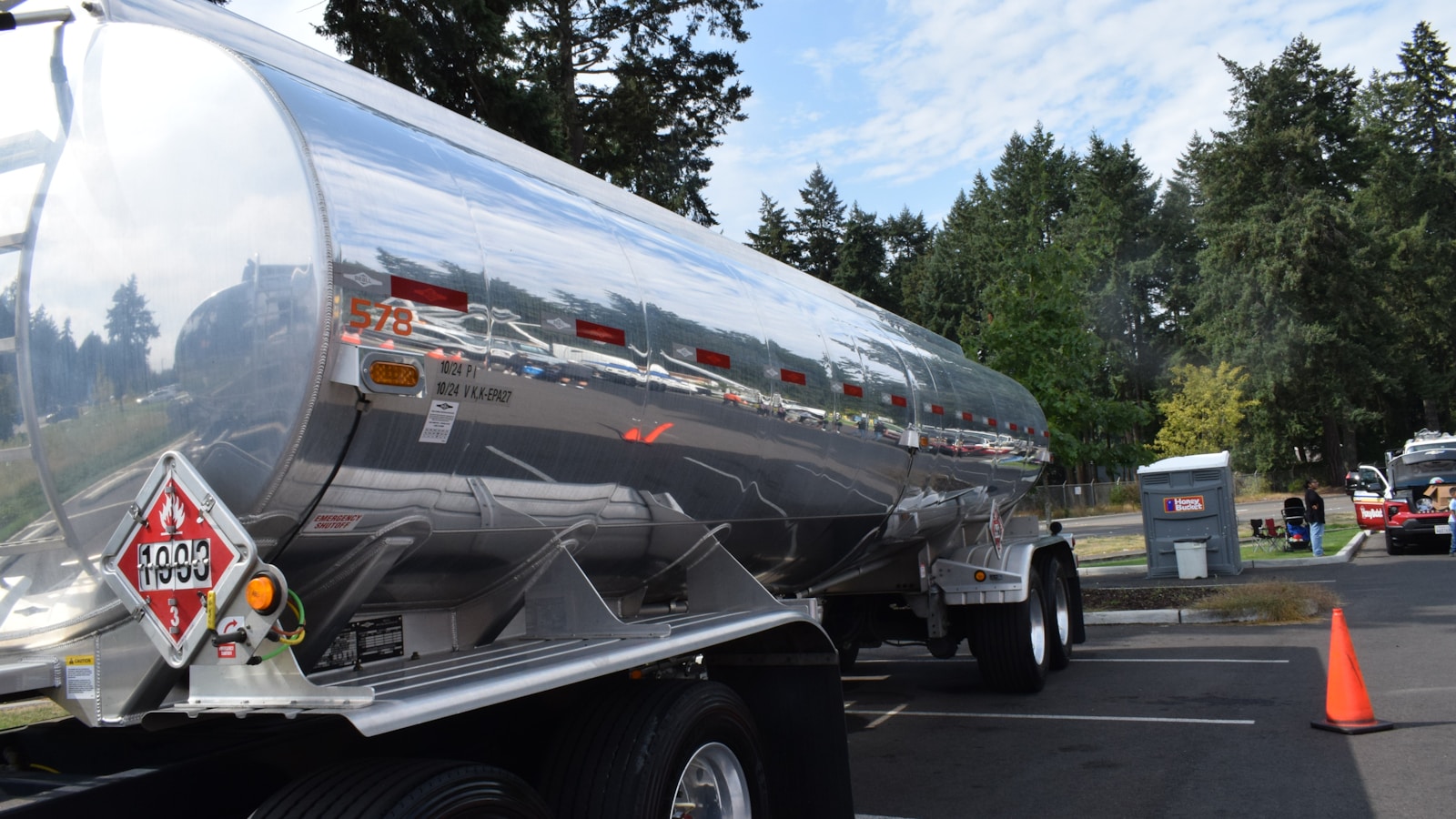
If your freight is hazardous (or might be), Official Mexican Standards (NOMs) for dangerous goods define labels, placards, packing, emergency information, and the unit. Marking “hazmat” on Carta Porte is not enough: SAT reads the XML; SICT and the roadside look at the package and the truck.
This is the sister hub to the general freight NOM map: shipper checklist and matrix of the main hazmat NOMs (002/006/011/020 family and affiliates). The SICT catalog can grow or update; always confirm the Official Gazette (DOF). OCL can stamp invoice and Carta Porte and gathers evidence in the trip file; it is not a SICT authority. Typical recovery auditing 100% of freight: 5–7% in a 6–8 week pilot.
- Operational NOMs + SAT Carta Porte
- 2 layers
- source of force (not 2004 blogs)
- DOF
- trip = UN + permit + XML + photos
- 1 ID
- shipper and carrier responsibility
- Shared
Tax XML: hazmat in Carta Porte 3.1 · SICT permit · SICT norms vs SAT duties.
What to ask the carrier if it is hazmat
Before releasing the unit: UN number, class/division, correct packing, package labels, unit placards, emergency information, suitable SICT permit, and — if applicable — ocular inspection log. Without that, there is no “ready trip”: there is a bet.
- 01
Classification and packing
UN, class/division, and compliant packing (NOM-002 / 002-1 family).
- 02
Labels and placards
Packages marked; unit placarded when the regime requires it.
- 03
Emergency and unit
Emergency info, ocular inspection, and coherent SICT permit.
- 04
Carta Porte 3.1
XML with hazmat, UN, packing, and permit aligned to the dock.
Shipper / consignor
- Classifies and declares the truth of the goods (UN, class).
- Correct packing and package labels before assignment.
- Hands emergency information to the trip.
- Data ready for Carta Porte — no convenient rekeying.
Carrier / permit holder
- Fit unit, placards, and SICT permit for the regime.
- Ocular inspection / log when applicable (e.g. NOM-006).
- Rejects mislabeled cargo or missing emergency docs.
- Stamps CFDI + Carta Porte coherent with what moves.
Force: DOF first, catalogs second
Chamber summaries or 2003–2004 PDFs with a “STATUS: Vigente” column are not proof of force in 2026. They help locate the NOM number; controlling text is the DOF publication and updated SICT listings.
Real update example: NOM-006-SCT-2-2023 (ocular inspection of units for dangerous goods) updates the prior NOM-006 logic; DOF text available. The NOM-002 / NOM-002-1 SCT-SEMAR-ARTF/2023 family updated the list and packing instructions aligned to UN recommendations.
Hazmat NOM matrix × what it controls
These are the main hazmat NOMs a shipper should know before releasing a unit. Not the entire SICT catalog: the operational core (list, packing, marking, emergency info, unit, and quantity exceptions). Name link = DOF text when publication is confirmed.
What it controls: List of hazardous substances and materials
Status in this guide: Verified (DOF 18 Dec 2023)
What it controls: Packing instructions; IBC, portable tanks, etc.
Status in this guide: Verified (DOF 29 Jul 2024)
NOM-003 / NOM-004 (historic) to draft 003-SCT-SEMAR-ARTF-2023
What it controls: Package marking/labeling; unit placards
Status in this guide: Confirm DOF if it replaced 2008
NOM-005-SCT (emergency info family)
What it controls: Emergency information during transport
Status in this guide: Confirm current version in DOF/SICT
What it controls: Ocular inspection of units for dangerous goods
Status in this guide: Verified (DOF; updates prior 006)
NOM-011-SCT2/2012
What it controls: Limited quantities
Status in this guide: On SICT list; confirm amendments
NOM-011-1-SCT-2-2022
What it controls: Excepted quantities / consumer products
Status in this guide: Verified (DOF 28 Feb 2022; confirm text in DOF)
NOM-020-SCT-2-2022
What it controls: Tank vehicles SICT 406 / 407 / 412
Status in this guide: Verified in catalog; confirm text in DOF
NOM-028-SCT2/2010
What it controls: Class 3 flammable liquids provisions
Status in this guide: On SICT list; confirm successor
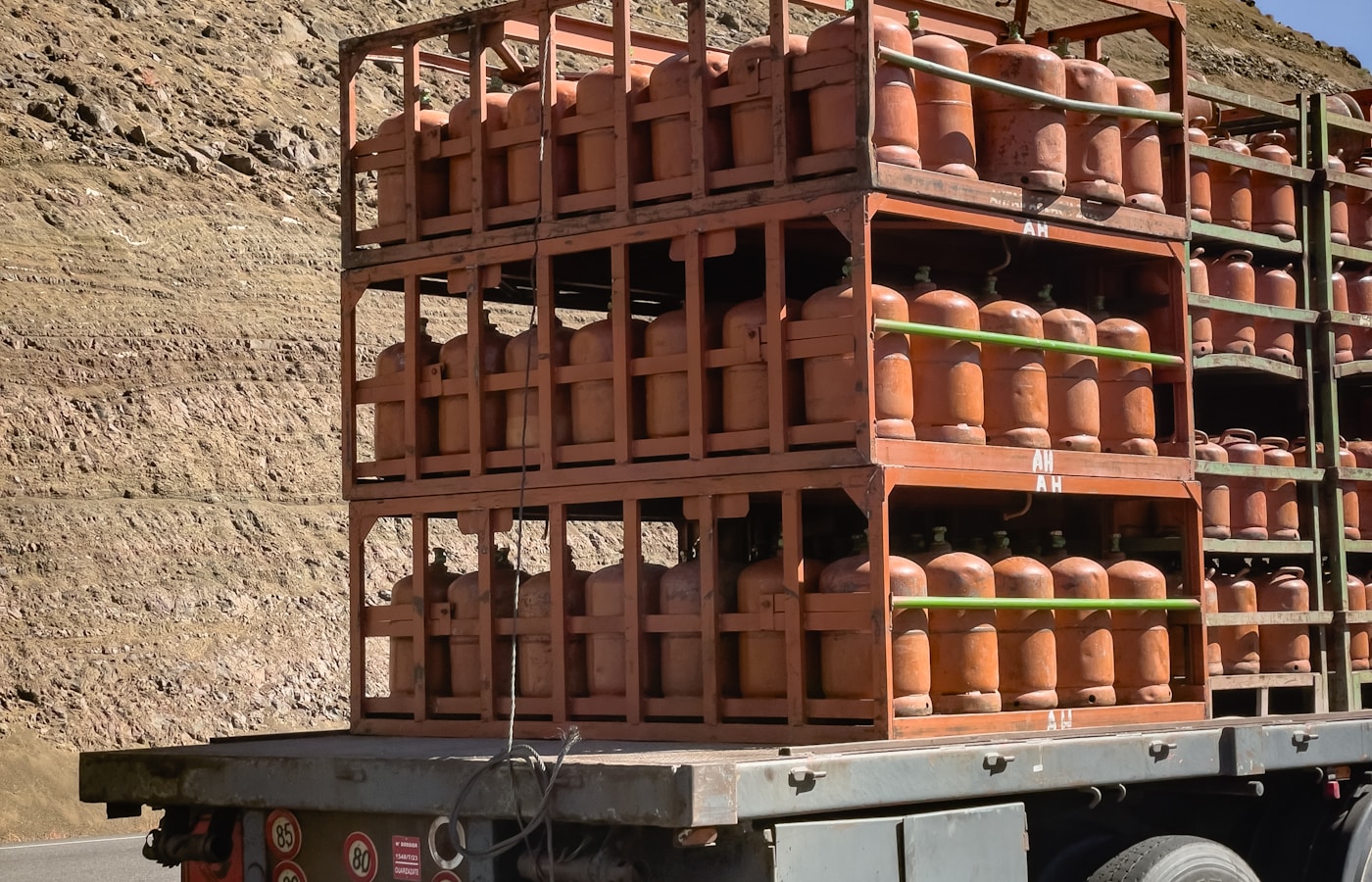
Shipper checklist (labels to emergency info)
Use this as the dock gate. If a row fails, there is no “ready trip”: there is shared risk between shipper and carrier.
Elige un paso para ver el detalle
Detalle del paso · 01
UN classification
Limited and excepted quantities
Not every “dangerous” move uses the same regime. Limited quantities (NOM-011-SCT2/2012) and excepted quantities / consumer products (NOM-011-1-SCT-2-2022) reduce or change duties when the text allows.
The expensive error is assuming the exception without reading quantitative limits in the list. If unsure, run the full regime and document why.
Cross-check with Carta Porte and SICT permit
In Carta Porte 3.1, hazmat flags, UN number, packing, and permit must cohere with each other and with what is in the box. The PAC may reject the CFDI; roadside authority may stop the trip even if the PDF “looks fine.”
Hazmat evidence on the trip ID
The goal is not “more PDFs”: it is one trip ID where UN, SICT permit, label/placard photos, and Carta Porte close together before payment.
Hazmat in the tower
From classify to pay
Classify
UN and packing
Mark
Labels and placards
Stamp
Coherent Carta Porte
File
Evidence before pay
OCL can stamp invoice and Carta Porte. It does not classify dangerous goods or inspect tanks: it cross-checks the evidence your team already requires and holds payment if the file does not close.
Key takeaways5 points
- Road hazmat = SICT NOM layer (classification, packing, labels, placards, emergency info, unit) + SAT layer (Carta Porte / permit in XML).
- This guide covers the main hazmat NOMs for the shipper; the SICT catalog can expand — confirm force in the DOF.
- The 2023 family (NOM-002 / 002-1 SCT-SEMAR-ARTF) updated the list and packing instructions; controlling text is the DOF.
- The shipper cannot “delegate away” UN classification: a mislabeled package is shared trip risk.
- OCL can stamp invoice and Carta Porte, and archives evidence in the trip file; it does not replace SICT verification.
Is your hazmat living in WhatsApp?
Related reading
Frequently asked questions
Start with the main ones: the list and packing instructions (NOM-002 / NOM-002-1 SCT-SEMAR-ARTF/2023 family), marking and labeling (historic NOM-003/004; 2023 projects with new naming), emergency information (NOM-005 family), unit ocular inspection (NOM-006-SCT-2-2023), limited/excepted quantities (NOM-011 / NOM-011-1), and if applicable tank vehicles (NOM-020) or class 3 (NOM-028). The SICT catalog can expand; confirm force in DOF.
Confirm in the DOF. The NOM-003-SCT-SEMAR-ARTF-2023 draft (marking, labeling, placards) aims to unify topics formerly in NOM-003 and NOM-004. Until the DOF publishes and the final text takes effect, a blog summary is not controlling. Check DOF and the SICT hazmat listing.
Hazmat has strong shared responsibility. The consignor classifies, packs, labels, and provides emergency information; the carrier runs a fit unit, placards, ocular inspection/logs, and permits. A bad UN number breaks both Carta Porte XML and the roadside stop.
The complement requires coherent hazmat flags, UN number, packing, and SICT permit. Tax playbook: hazmat in Carta Porte 3.1. NOMs define the operational substance; SAT validates the XML.
No. OCL is not a SICT authority and does not issue UN classification opinions. It can stamp invoice and Carta Porte, and store trip-file evidence (permit, UN, label/placard photos, CFDI) so operations and accounts payable decide before paying.