


The supply chain examples that help a shipper or logistics operator on Mexico–US lanes are not European WMS plant tours or the textbook apple-to-store story: they are corridor patterns — physical flow, documents (CFDI, Carta Porte, POD), and KPIs (OTIF, dock, pay) where freight breaks or closes.
Below: models (continuous, flexible, fast; lean vs agile), five illustrative corridor examples — labeled as patterns, not invented clients — and a five-step plan without selling you an automated warehouse. If you already move volume and accounts payable still pays by sampling, auditing 100% of a pilot flow shows the published pattern of recovering 5–7% of freight spend because the trip file did not reconcile.
- illustrative Mexico–US corridor
- 5 patterns
- continuous · flexible · fast + lean/agile
- 3+2 models
- rate · CFDI · CP · GPS · POD
- 5 docs
- pattern when auditing 100% of pilot
- 5–7%
Cluster: what is supply chain · freight journey · lean supply chain.
What supply chain is (vs logistics)
A supply chain is the design and governance of how materials and products reach the customer: suppliers, inventory, service, total cost, and risk. Logistics is execution: transport, warehouse, fulfillment, and movement information.
Acronyms as we go: DC = distribution center (CEDIS in Mexico); OTIF = on time in full; CFDI = Mexico’s digital tax invoice; POD = proof of delivery; TMS = transportation management system; WMS = warehouse management system; KPI = key performance indicator; FTL = full truckload; 3PL = third-party logistics provider; AP = accounts payable.
Definition and RFP links: supply chain glossary. Physical + document journey map: Mexico freight journey.
Supply chain models and types
Generic catalogs list “continuous / flexible / fast” and then sell automation. On Mexico–US lanes the useful model is the one that survives seasonality (Buen Fin, agri peaks) and border friction — without brochure percentages.
Continuous
What it prioritizes: Stable flow, few surprises
Signal in Mexico–US freight: Repeat lanes, fixed appointments, measured buffers; fails if the trip file does not close every load
Flexible
What it prioritizes: Change mix or capacity
Signal in Mexico–US freight: Multiple carriers / modes; fast tendering; risk of orphan rates and PODs
Fast
What it prioritizes: Response speed
Signal in Mexico–US freight: Tight windows, express, last mile; OTIF breaks without appointments or usable POD
Lean
What it prioritizes: Less waste
Signal in Mexico–US freight: Less empty miles, less double entry, pull + trip file; see lean
Agile
What it prioritizes: Unpredictable demand
Signal in Mexico–US freight: Buen Fin / agri peaks; selective buffers; do not confuse agility with paying unaudited invoices
Lean and agile are not rival religions: in nearshoring you almost always need lean on the trip file and some agility on border exceptions. Sister guide: lean supply chain in Mexico logistics.
Illustrative Mexico–US examples
The following are corridor patterns (illustrative examples), not private client metrics or Easy WMS tours. Public brands (auto assembly, CPG retail) are industry context only — calibrate with your operation.
1. Automotive / nearshoring
Component suppliers,assembly plant, and DC or yard to cross-border tractor (often via Laredo or another crossing). The model is often continuous + lean on the line; freight breaks on dock appointments, dwell, and documents that do not share the same trip ID.
Automotive pattern
Nearshoring flow
Supplier
Component
Plant
Assembly
DC / yard
Consolidate
Cross-border
FTL + docs
Typical KPIs: line OTIF, dock dwell, in-transit damage, % of trips with CFDI + Carta Porte + POD. When the symptom repeats: RCA tools.
2. Food / CPG
Plant, regional DC, and daily routes to retail or foodservice. Service is measured with customer OTIF (appointment windows, complete). Mexico CPG brands illustrate the sector; do not invent Bimbo, Coca-Cola, or similar figures — publish only what you can verify or calibrate internally.
CPG pattern
Plant to daily route
Plant
Production
DC
Picking
Daily route
FTL / LTL
Retail
OTIF + POD
Where freight breaks: window chargebacks, illegible POD, SKU vs document mismatch. Honest OTIF: what OTIF is.
3. Omnichannel retail
Same network, two speeds: DC feeding stores (often FTL or cross-dock) vs last mile / e-commerce fulfillment. The classic error is treating both as “the same trip” in the TMS with no exception owner.
Retail pattern
Two speeds
DC
Inventory
Cross-dock / FTL
Store
Fulfillment
Web order
Last mile
Customer POD
KPIs: OTIF by channel, cost per delivery, claims, pay cycle for last-mile vs linehaul carriers.
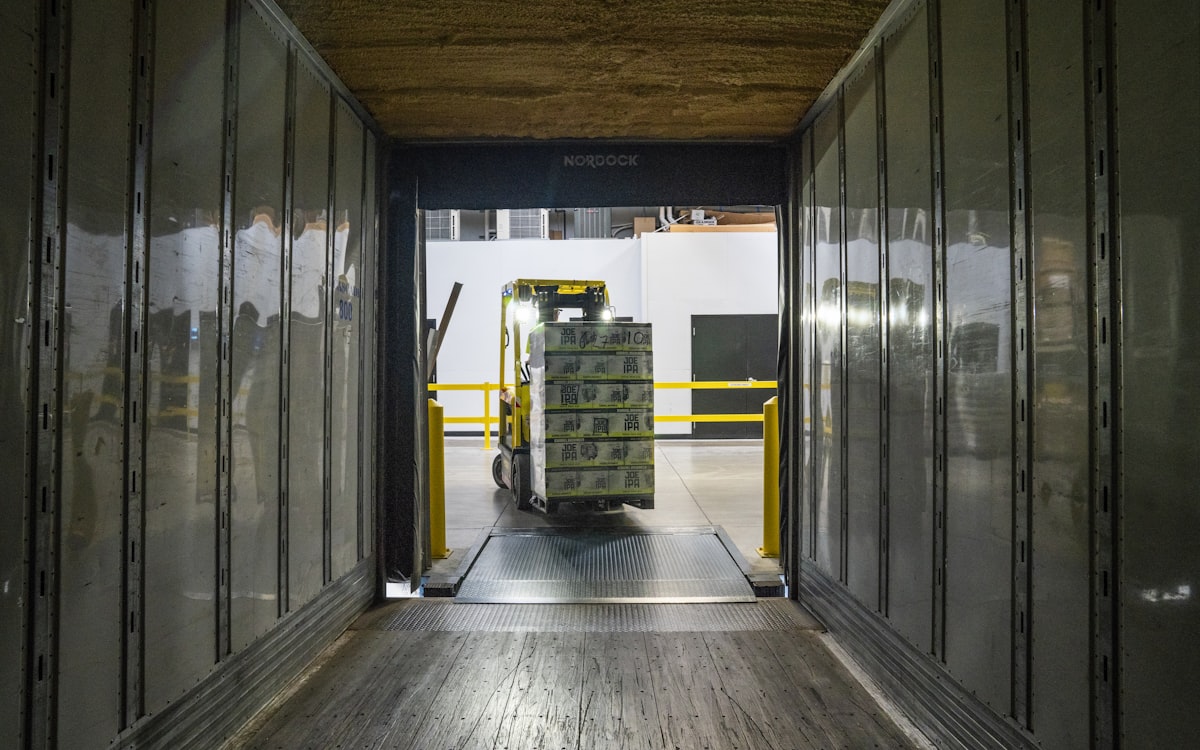
4. 3PL / freight forwarder (trip file)
The 3PL “product” is not only moving the box: it is closing rate + CFDI + Carta Porte + GPS + POD + pay under one ID. Without that close, the shipper’s chain stays blind even if the truck arrived.
3PL pattern
Tender to pay
Rate
Confirm
CFDI / CP
Stamp
POD
Deliver
Pay
Audit
Evidence convention: POD for shippers. Trip traceability: what traceability is.
5. Lean / continuous / flexible / fast under Mexico seasonality
In Buen Fin or agri peaks, a “continuous” network needs agile layers (extra capacity, express lanes) without dropping lean on the trip file. Typical failure: hire emergency capacity and pay invoices without rate or POD checks.
We do not invent seasonal OTIF lifts: set a baseline before the peak, an exception owner, and a pre-pay rule. Lean on freight: wastes and pull + trip file.
How to plan the chain (5 steps)
Planning is not buying a WMS on day one. It is locking service, flow, model, owners, and KPIs — and leaving freight with a trip file before releasing pesos.
Operable plan
Five steps
Service
Total cost
Flow
Physical + docs
Model
Continuous/agile
Owners
KPI per stage
Trip file
Pre-pay
- Define service and total cost — promised OTIF, windows, tolerable damage, freight + accessorials + working capital.
- Draw two lines— physical (order, dock, and lane to delivery) and document (rate, CFDI/Carta Porte, and GPS, POD, and pay).
- Choose a model — continuous / flexible / fast and how much lean vs agile in peaks (Buen Fin, agri).
- Assign owners and KPIs — tower, DC, accounts payable; one common trip ID.
- Close the trip file before paying — no blind sampling. Registration TMS: what a TMS is.
How to operate successfully: KPIs
A pretty example without KPIs is marketing. On the corridor, success shows in five numbers that accounts payable and operations can reconcile.
OTIF
Question it answers: On time and complete?
Failure signal: Missed window, shortage, bad SKU master
Dock dwell
Question it answers: How long does the trailer live at the dock?
Failure signal: Unrealistic appointments, lumper without owner, undocumented delays
Damage / claims
Question it answers: Did the load arrive intact?
Failure signal: Weak packaging, stowage, POD without usable photo
AP cycle
Question it answers: How long to release or hold?
Failure signal: Incomplete trip file, chat as archive
% complete trip file
Question it answers: Rate·CFDI·CP·GPS·POD on same ID?
Failure signal: Pay by sampling; orphan GPS; blurry POD
More depth on order to pay: freight journey.
Common corridor mistakes
The same mistakes show up in automotive, CPG, and retail when the example stays a “brand story” instead of a trip file.
- Mixing supply chain with logistics (buying a WMS when the pain is freight and pay).
- Using Zara/Amazon/Bimbo as a template without own data or hedges.
- Measuring only “the truck arrived” instead of OTIF + trip file.
- Buen Fin / agri peaks without a pre-pay rule or exception owner.
- Tower as human bridge across portals, PDFs, and Excel (fake digitization).
Operable checklist
Use it when reviewing a pattern (automotive, CPG, retail, or 3PL) before claiming you “already have a supply chain.”
Elige un paso para ver el detalle
Detalle del paso · 01
Flow drawn
What OCL executes on the trip file
OCL Cargo is an autonomous TMS with agents that operate screens and portals like a tower analyst. It does not require replacing your TMS on day one: it coexists, builds the trip file, and leaves exceptions to your team.
- Pre-pay cross-check of rate + CFDI + Carta Porte + GPS + POD on the same trip.
- OCL can stamp invoice and Carta Porte when fiscal scope applies.
- Audit 100% of the pilot universe: published 5–7% spend pattern (3PL case on this site).
Key takeaways5 points
- Useful Mexico–US supply chain examples are corridor patterns (flow + documents + KPIs), not European WMS tours or Amazon/Zara listicles.
- Supply chain governs the network; logistics executes movement. Mixing them makes you buy warehouse tech when the pain is freight and pay.
- Models: continuous, flexible, fast + lean vs agile — mapped to Mexico seasonality (Buen Fin, agri) and border pressure.
- Five patterns: automotive/nearshoring, food/CPG, omnichannel retail, 3PL/fiscal trip file, and lean/agile under demand peaks.
- Operable success = OTIF + dwell + damage + AP cycle + complete trip file before release. OCL audits 100% of the pilot without a big-bang.
Does your chain pattern close the trip file — or only move boxes?
Related reading
Frequently asked questions
Typical corridor patterns: automotive/nearshoring (supplier, plant, and DC to cross-border truck), food/CPG (plant, DC, and daily routes with retail OTIF), omnichannel retail (DC + last mile vs FTL/cross-dock), and the 3PL trip file (rate + CFDI + Carta Porte + POD + pay). These are illustrative freight patterns — not European WMS plant tours.
No. Supply chain designs and governs the network (suppliers, inventory, service, total cost). Logistics executes physical and information flows (transport, warehouse, fulfillment). Operational definition: what is supply chain (ES hub; EN twin via locale).
Most cited: continuous (stable flow), flexible (mix or capacity pivots), fast (response speed), plus lean (less waste) vs agile (unpredictable demand). In Mexico they map to seasonality (Buen Fin, agri peaks) and border pressure — not a robot catalog.
Only as public industry context, hedged: do not invent their OTIF or costs. To decide for your operation, use corridor patterns (flow + KPIs + where freight breaks) calibrated with your data.
OTIF (on time in full), dock dwell, damage/claims, accounts payable cycle time, and % of trips with a complete file (rate · CFDI · Carta Porte · GPS · POD). See what OTIF is and the freight journey.
Five steps: define service and total cost; draw physical + document flow; choose a model (continuous/flexible/fast or lean/agile); assign owners and KPIs; close the trip file before paying. A WMS helps in the DC; it does not replace the freight handoff or pre-pay audit.
OCL is an autonomous TMS: agents build the trip file, can stamp invoice and Carta Porte when in scope, audit pre-pay, and escalate exceptions to your team. It coexists with your system of record; typical pilot 6–8 weeks; 5–7% pattern when auditing 100% of the flow (3PL case).