

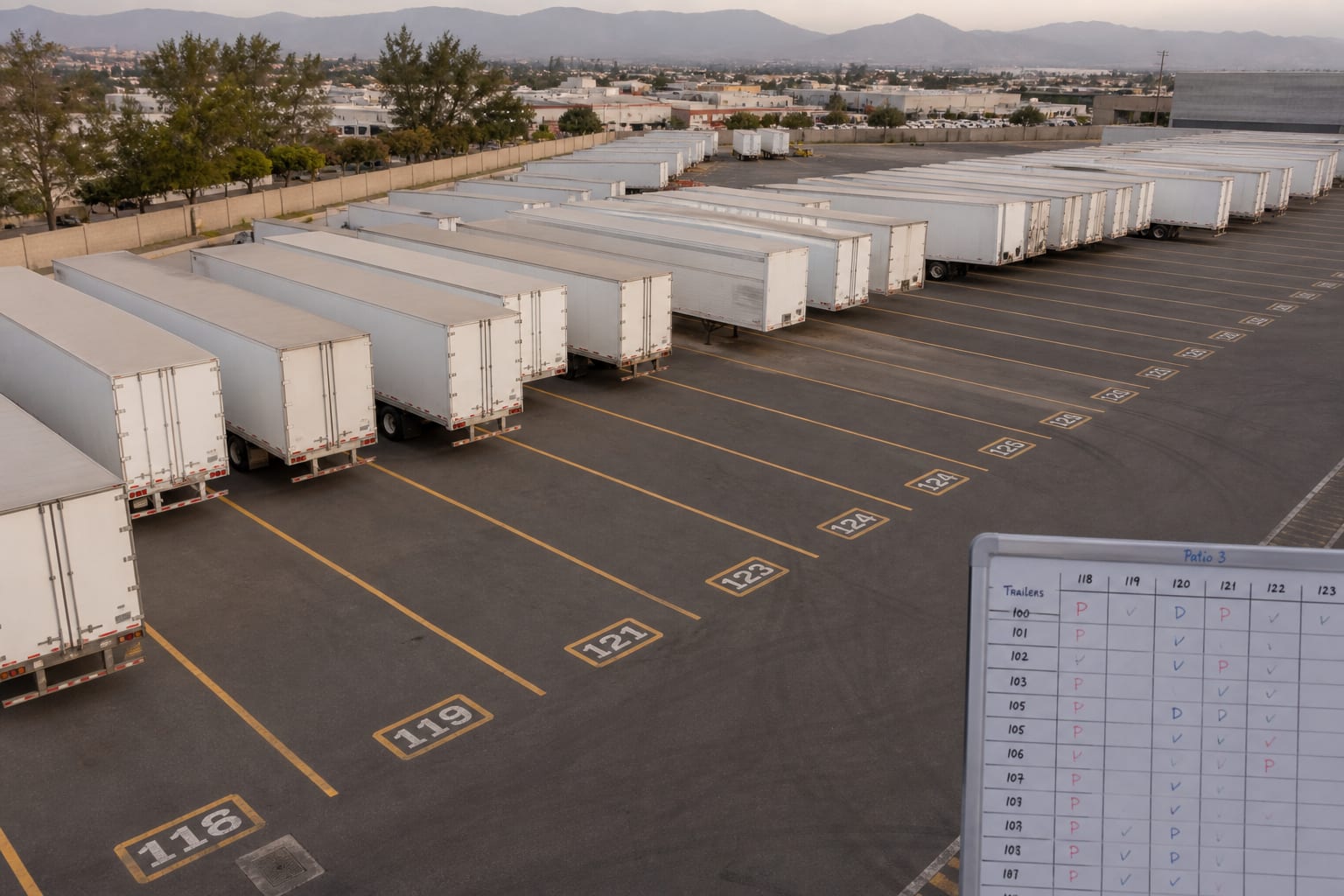
Definition
A capacity quota — also called allocation — is the volume or trip count that shipper and carrier commit to move on a lane and period under contract or a master agreement. It is how you buy capacity, not only price.
If the quota only lives in a procurement spreadsheet, traffic already bought spot without knowing.
Related: spot vs contract · tendering · carrier management.
What it means in practice
It is not “we will send what we can”: it is a number (trips/week, % of volume, tons) with validity and a rule for missing capacity or unreleased freight.
Govern it in the TMS by matching tendering awards to the commitment — not to the broker’s memory.
Why it matters by role
| Role | What they watch | If the quota is a ghost |
|---|---|---|
| Procurement / traffic | % awarded vs quota | Silent spot and broken rates |
| Carrier | Promised volume | Idle fleet or refusals |
| Operations | Real peak capacity | OTIF drops in season |
| Accounts payable | Contract vs spot rate | Pays the expensive lane unnoticed |
Minimum quota fields
| Field | Question | Note |
|---|---|---|
| Lane / OD | Origin–destination or cluster? | Same unit as the rate card |
| Period | Week / month / quarter? | Renewable |
| Unit | Trips, % volume, tons? | Comparable |
| Floor / bands | Floor and ceiling? | Avoid all-or-nothing |
| Shortfall | Penalty or releasable? | Written |
| Evidence | Award ID in TMS? | No ID, no dispute |
Mexico / corridor: capacity under pressure
With a federal fleet around 1.51 million units (SICT 2025) and high average age reported by TyT, missed quota is not cheaply replaced with clean spot.
Driver shortage (industry estimate; confirm coverage) makes losing a contract carrier on Monterrey–Laredo or Bajío–border hurt OTIF and pesos. Measure weekly fill.
How to govern quota in 5 steps
Set quota
Lane and period
Publish in TMS
Live object
Award
Tender vs quota
Measure fill
Weekly %
Rebalance
Spot or remedy
Expensive mistakes
1.Quota only in PDF
Traffic never sees it when tendering.
2.Measuring in money, not trips
You inflate fill with expensive off-lane trips.
3.Ignoring shipper shortfall
You punish the carrier when you never released freight.
4.Letting spot eat the lane
Without alerts you destroy the rate card.
OCL and the trip file
OCL helps surface awards and exceptions vs capacity commitment in the trip file. It can stamp invoices and Carta Porte; it does not replace your commercial negotiation.
Sources and further reading
Key takeaways5 points
- Capacity quota = volume or trip count committed by lane and period between shipper and carrier under contract or master agreement.
- Without fill measurement (awards vs quota), the contract is paper and spot invades committed lanes.
- In Mexico, fleet and driver pressure make missed quota expensive in spot and on-time in-full (OTIF).
- Minimum fields: lane, period, units, floor %, shortfall rule, and a TMS owner.
- OCL helps match real awards vs quota in the trip file; it can stamp invoices and Carta Porte.
Does your quota live in the contract… or in the TMS?
Frequently asked questions
The volume or trip count committed by lane and period between shipper and carrier under contract or master agreement.
No. The rate fixes price; the quota fixes how much capacity you expect to move at that price.
Trips (or % volume) awarded to the carrier vs period quota, with award IDs in the TMS.
Apply the written shortfall rule (penalty, releasable to spot, or rebalance). Without a rule, you improvise expensively.
Spot should be exception or over-quota — not the silent default. See spot vs contract.
It matches real awards vs commitment in the trip file before you pay or renegotiate.