

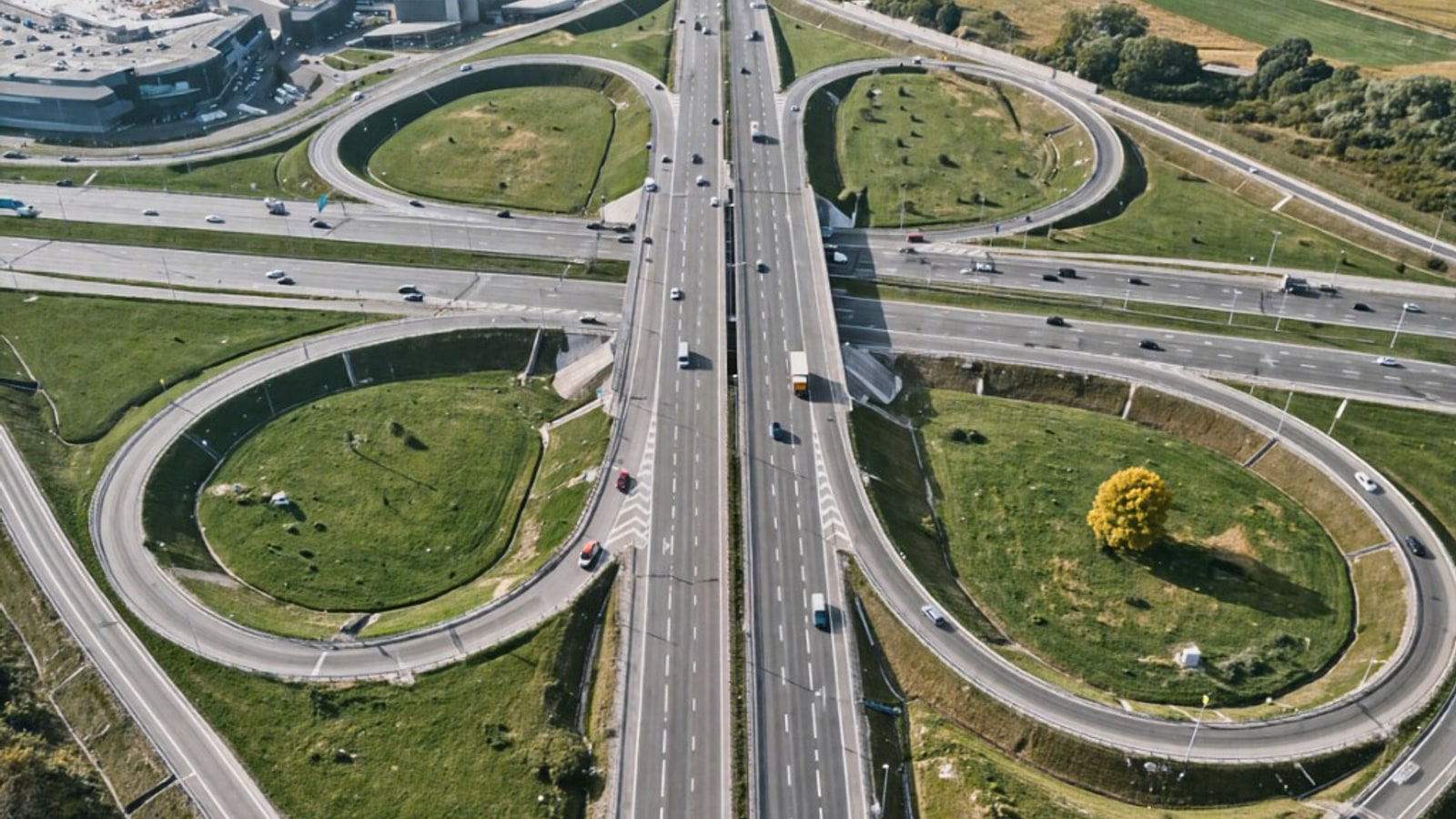
Routing is planning the sequence, time windows, and assignment of stops or trips to units and drivers, aiming to meet agreed service at the lowest feasible cost, time, or risk. It is not “drawing a pretty map.”
If the plan promises eight deliveries and the driver can legally do five with rest, the delay is already written. It lives in the fleet management cluster with GPS, hours of service, and telematics.
- stop order
- Sequence
- real appointments
- Windows
- legal duty day
- HOS
- km · toll · time
- Cost
What routing is (usable answer)
Good routing combines distance, appointments, vehicle capacity, zone restrictions, and driver hours of service. Estimated time of arrival (ETA) is an output of the plan — not a wish pasted into a spreadsheet.
On a private fleet it feeds utilization and cost per kilometer. For shippers using carriers, tender routing must match confirmed booking capacity or the plan is fiction.
Types: fixed, dynamic, and multi-stop
Pick the mode by demand volatility and signal quality (GPS/geofence).
| Mode | When to use | Risk if it fails |
|---|---|---|
| Fixed / master route | Repetitive routes, stable appointments | You ignore same-day exceptions |
| Dynamic | Spot, reorder for traffic or failure | Replan with no owner = chaos |
| Multi-stop / milk run | Last mile or consolidation | Overlapping windows |
| Corridor full truck | Point-to-point FTL | Impossible ETA vs HOS |
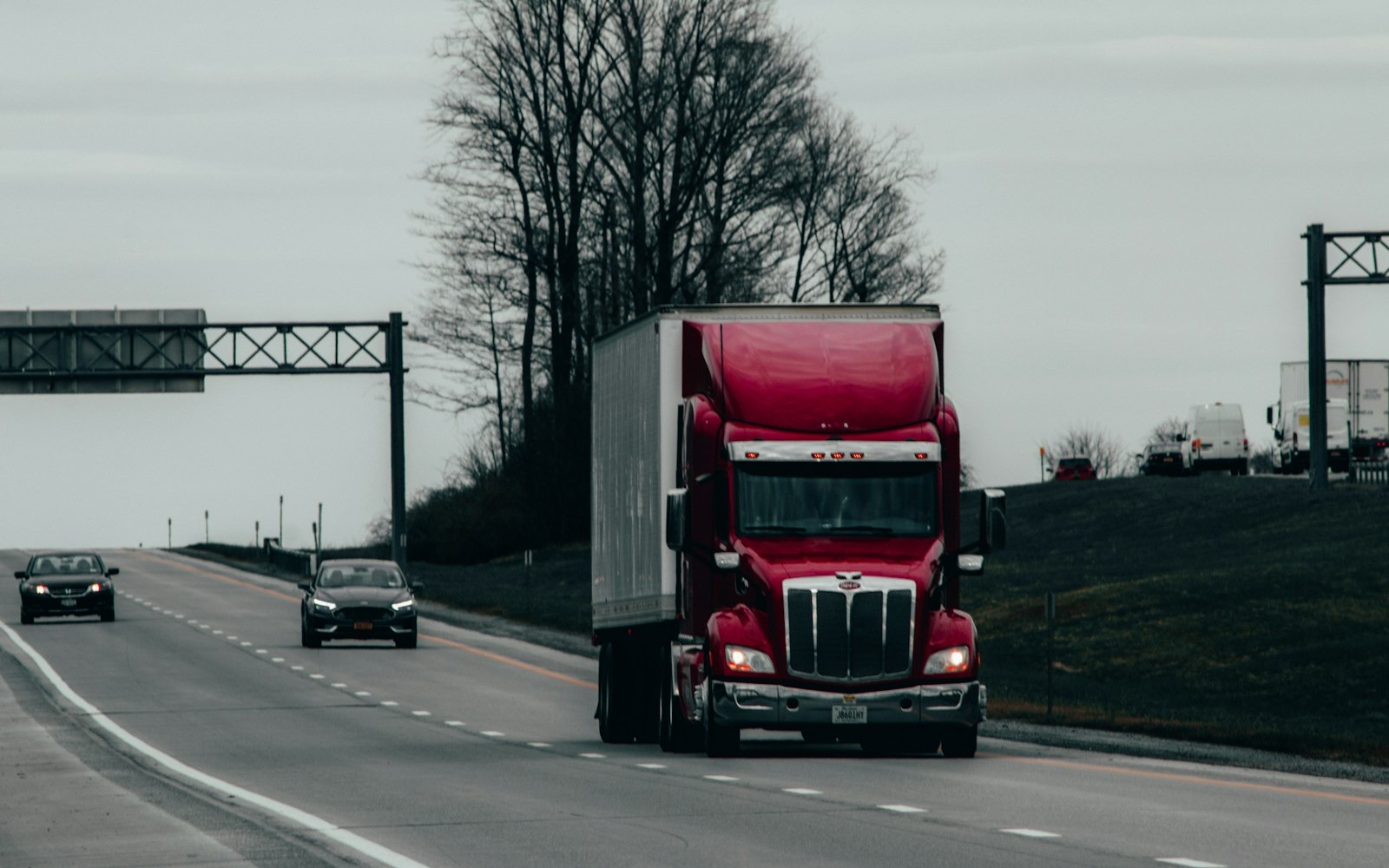
Minimum plan inputs
Without these inputs, the optimizer invents a plan operations cannot execute.
| Input | Question | Note |
|---|---|---|
| Stops | Address and window? | Required |
| Equipment | Capacity and type? | Weight / cube |
| Hours of service | Rest and limit? | Legal |
| Zone | Urban restrictions? | Last mile |
| Cost | Km, toll, time? | Clear objective |
How it applies on Mexico–U.S.
On Monterrey–Laredo or Bajío–border corridors, routing fails when it ignores the dock, unload zone, gate, or driver rest. 2026 telematics cases report route and fuel savings — calibrate to your fleet; do not copy a viral %.
Tie the plan to the trip file: trip ID, GPS, geofence, and proof of delivery (POD). The fleet management hub places routing next to drivers, utilization, and cost per km.
Why it matters by role
| Role | What they gain | If routing is fantasy |
|---|---|---|
| Traffic | Executable plan | Replans all day |
| Driver | Realistic duty day | Illegal pressure |
| Customer | Credible appointments | Waiting and complaints |
| Finance | Cost per delivery | Wasted km and hours |
How to route with sense in 5 steps
Constraints first; then optimize. Monitor with GPS/geofence the same day.
Load orders
Windows
Validate limits
HOS and zone
Sequence
Stops
Assign unit
Booking
Monitor
Exceptions
Expensive mistakes
Elige un paso para ver el detalle
Detalle del paso · 01
Optimize only kilometers
OCL and the trip file
OCL Cargo is an autonomous TMS: it helps track the plan, exceptions, and evidence in the trip file. It does not alone replace a route optimizer or your FMS. When applicable, it can stamp invoices and Carta Porte. Pattern 5–7% when auditing 100% of freight — calibrate to your operation.
Key takeaways6 points
- Routing = sequence + appointment windows + unit assignment — not just drawing a map.
- If the plan promises more stops than fit with legal rest, the delay is already written.
- Cross hours of service (HOS), capacity, urban zones, and cost in the same plan.
- GPS and geofence measure execution; routing decides the plan first.
- Replanning only in chat leaves the live plan invisible in the TMS.
- OCL tracks plan vs reality and exceptions. It does not replace your optimizer. It can stamp invoices and Carta Porte when applicable.
Does your routing fit a real duty day?
Related reading
Frequently asked questions
Planning stop or trip sequence, appointment windows, and unit/driver assignment to meet service at the lowest feasible cost, time, or risk.
No. GPS locates; routing decides the plan before and during execution. Telematics feeds exceptions; it does not alone draw the optimal plan.
Appointment windows, equipment capacity, urban zone limits, and driver hours of service (HOS).
Dynamic reorders with same-day exceptions; fixed follows a pre-agreed sequence. Both need evidence (GPS/geofence) and a live plan in the TMS.
Bad routing is a frequent cause of delay even when the unit “left on time.” An impossible plan means OTIF is already broken on the desk.
Visibility of plan vs reality and exceptions to correct before missing the appointment. It does not replace your optimizer. It can stamp invoices and Carta Porte when applicable.