

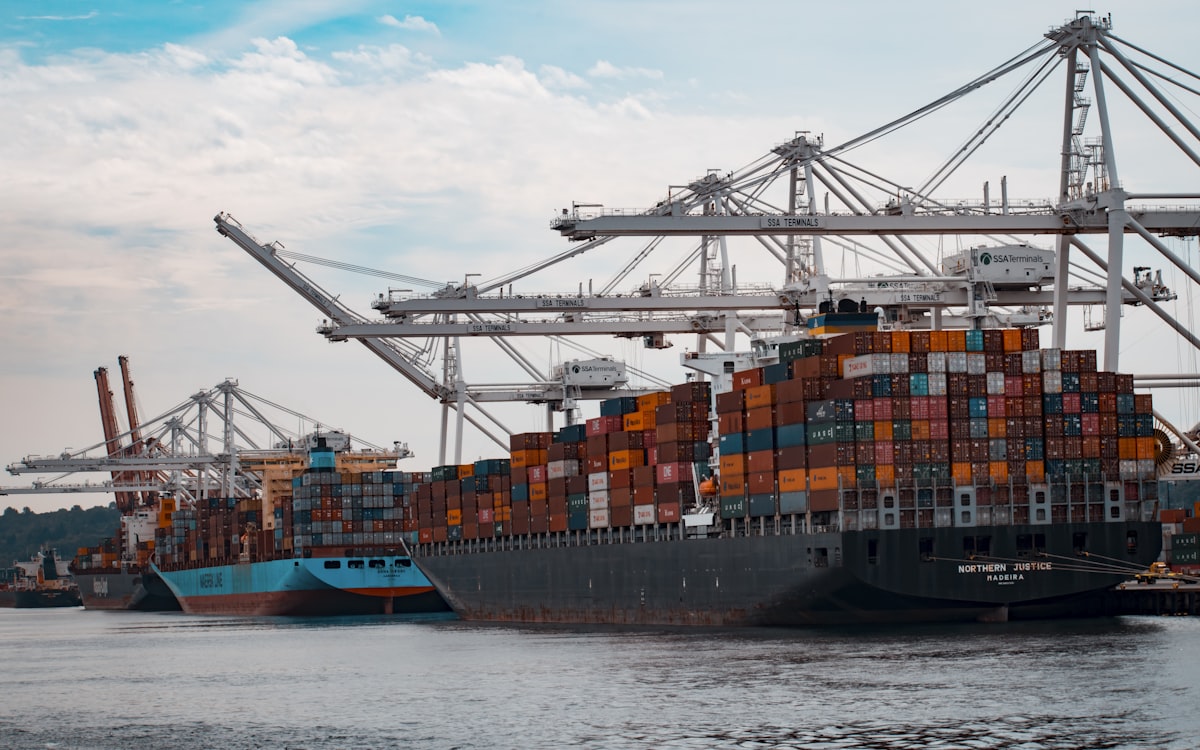
Incoterms (International Commercial Terms from the International Chamber of Commerce) define where the seller delivers the goods and from where you pay and control transport, insurance, and risk. For a Mexican importer, the decision collapses to one question: who buys the international freight, you or your supplier? Buying under FOB (Free On Board) or FCA (Free Carrier) gives you freight control and cost visibility; buying CIF (Cost, Insurance and Freight) or DDP (Delivered Duty Paid) pays your supplier a freight line with invisible margin inside the merchandise price.
- freight control
- FOB/FCA
- margin trap
- CIF
- VAT risk
- DDP
- terms that matter
- 6
The practical rule for finance and importers: the more volume and in-house logistics capacity you have, the earlier you should take control. The Incoterm is not fine print: it is who sees the freight, who picks the carrier, and who absorbs demurrage at a Mexican port.
Cluster: freight forwarder · free days · invoice audit
The six Incoterms that matter
You do not need the full catalog memorized. You need to know where the seller’s duty ends and yours begins: main freight, insurance, clearance, and the inland leg.
The six Incoterms that matter
Who delivers where and from when you pay and control.
| Incoterm | Seller delivers at… | You control from… | When to use |
|---|---|---|---|
| EXW | Their plant | Everything from the door | Max control; needs origin ops |
| FCA | Carrier you name | Main freight onward | Modern EXW substitute |
| FOB | On board the vessel | Ocean freight onward | Workhorse with your own forwarder |
| CIF | On board; they pay freight/insurance | MX arrival port | Low volume or no traffic team |
| DAP | Your site, uncleared | Duties and clearance | Specific cases; watch port clock |
| DDP | Your site, cleared | Almost nothing | Convenient and expensive; MX tax risk |
FOB remains the workhorse for importers with their own forwarder. FCA is the modern substitute when the move is not pure ocean. DAP and DDP sound convenient; the real cost shows up in duties, releases, and the port clock.
If your contract says FOB but the cargo is air, the insurance and liability gap is real: the contract must name the exact delivery point, not only the commercial label.
Why “cheap” CIF often costs more
When an Asian supplier quotes CIF, freight sits inside the price with their margin, and they also control the ocean carrier, the destination forwarder, and often local Mexican port charges (the classic destination-agent release fees).
Why “cheap” CIF often costs more
Opaque freight, someone else’s destination agent, and demurrage while you negotiate.
Opacity
Freight with margin
The supplier buries freight inside the merchandise price.
Control
Alien agent
They pick the carrier and destination agent, not you.
Clock
MX demurrage
Inflated local charges while you clarify with an intermediary you did not hire.
Typical outcome: opaque freight, inflated destination charges, and demurrage running while you negotiate with an agent you did not choose. Buying FOB and controlling your own freight turns that block into a visible, tenderable, auditable cost.
The classic miss: DDP and VAT
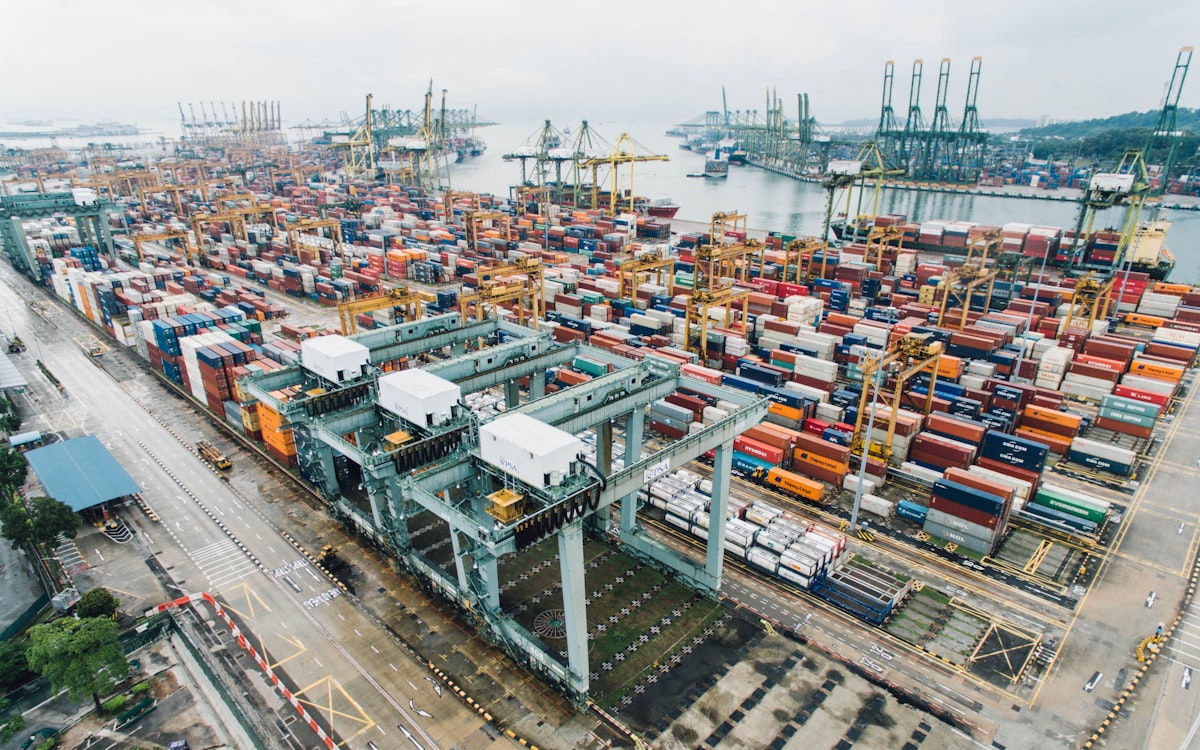
Under DDP the foreign seller imports in their name. Without the right Mexican tax structure, import VAT (value-added tax) may not be creditable for you and the pedimento is not in your name, which complicates returns, customs expense accounts, and IMMEX programs (manufacturing, maquila, and export services industry).
Before accepting “hassle-free” DDP, ask your tax advisor who is the importer of record. Operational convenience does not justify losing creditability or file traceability.
Elige un paso para ver el detalle
Detalle del paso · 01
Who appears as importer on the pedimento?
How to migrate from CIF to FOB
You do not need a global ultimatum. Ordered migration is lane by lane: breakout, own quotes, door-to-door compare, and gradual switch.
Migrate from CIF to FOB without drama
Select a step to see detail
Step detail · 01
Break out
Goods + freight
Include destination charges and your inland corridor in the comparison. Suppliers cooperate more when they see a number, not a threat.
What OCL runs
OCL Cargo is an autonomous TMS with agents and computer use (operating screens and portals like an analyst). The Audit Agent reconciles agreed Incoterm, billed freight, destination charges, and the file before payment without a day-one stack migration. OCL can stamp invoices and Carta Porte. Humans handle exceptions. On the Mexico–US corridor, the value is tying merchandise price, freight, and pedimento into one story.
Pre-pay
Incoterm under control
Read
Incoterm
Break out
Freight + dest.
Match
File
Decide
Pay / hold
6–8 week pilot (Incoterms)
Take your last 50–100 international shipments: tag Incoterm by lane, baseline hidden margin on CIF/DAP/DDP, and project savings moving to FOB/FCA. Metric: % of lanes with visible breakout and pesos recovered on destination charges.
Elige un paso para ver el detalle
Detalle del paso · 01
Incoterm map by supplier and corridor
Key takeaways5 points
- Incoterms define delivery, risk, and who buys the freight.
- FOB/FCA give international freight control; CIF keeps it opaque.
- Convenient DDP can kill creditable VAT and your named pedimento.
- Migrate lane by lane: break out, quote, compare, switch.
- OCL reconciles the file vs Incoterm; can stamp invoice and Carta Porte.
Are you still buying CIF by habit · or by decision?
Related reading
Frequently asked questions
Technically FOB is ocean; for air and multimodal the correct term is FCA. Commercially people say FOB for everything, so the contract must name the exact delivery point to avoid insurance gaps.
Classic gray zone: the seller’s freight arrives “to port” and destination-agent local charges hit you, often inflated. Writing what CIF includes is the difference between an Incoterm and a surprise.
Only CIF and CIP oblige the seller to insure (minimum cover). On every other term, if you do not buy cargo insurance, nobody did.
Only if you have real origin operations. Otherwise FCA or FOB give you main-freight control without taking the supplier’s plant door.
No. With low volume or no traffic team it can be practical. The problem is treating it as “cheap” without breaking out margin, destination charges, and demurrage.
The Audit Agent reconciles freight, destination charges, FX, and the file against the agreed Incoterm before payment. OCL can stamp invoice and Carta Porte. 6–8 week pilot without day-one TMS migration.