


Free days are the no-cost window the ocean carrier and port terminal grant to release, haul, and return a container. In Mexico, carriers typically grant 7–14 free days and terminals about 7 free storage days, by contract. After that, demurrage and storage often run $50–$150 USD per container per day, escalating by blocks.
This guide separates the three clocks, shows where days burn, and builds the file accounts payable needs before paying. Always calibrate with your carrier and terminal.
- carrier free days (typ.)
- 7–14
- terminal storage free days
- ~7
- USD/day after free time
- $50–150
- recovery auditing 100%
- 5–7%
Cluster: what detention is · ETA, ETD, ATA, ATD · Manzanillo–CDMX haulage · accessorial calculator.
The three clocks of an import container
Clocks
One container, three possible charges
If you audit them mixed, double pay passes as “import cost.”
01
Demurrage (ocean)
From vessel discharge until empty return.
02
Storage (terminal)
From discharge until terminal gate-out.
03
Detention (trucker)
Unit held at load/unload past free time.
Rule
Three invoices, three files. Never one generic “port charge.”
Operational difference in what detention is in Mexico freight and the glossary what is demurrage.
Where free days are lost
Days are not “lost” on the invoice - they burn in operations. Four recurring leaks:
Elige un paso para ver el detalle
Detalle del paso · 01
Arrival notice read late
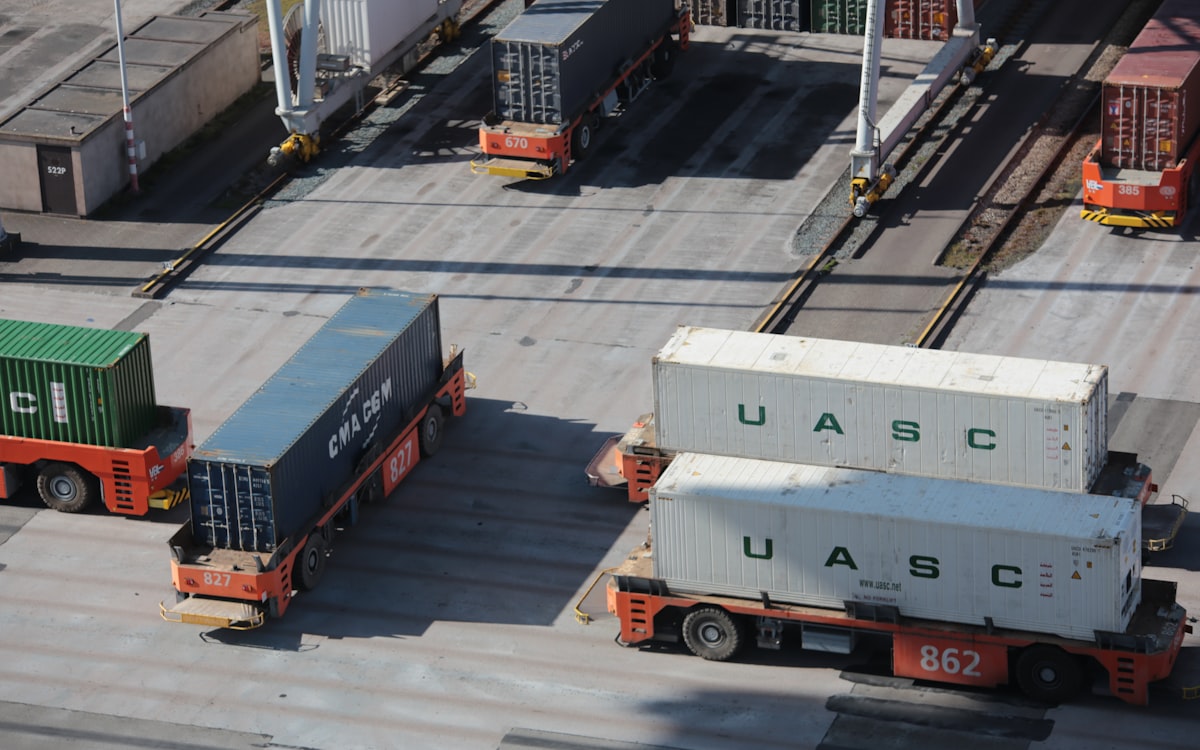
What demurrage costs in 2026
Reference ranges for a 40-ft container at Mexican ports. A box held two weeks can cost more in demurrage than Manzanillo–CDMX haulage itself.
| Block (after free days) | 40′ reference range | Note |
|---|---|---|
| Days 1–5 | $50–$90 USD/day | Typical first tier |
| Following days | $90–$150 USD/day | Second block / thereafter |
| Reefer | 1.5x–2x | Special equipment |
| Combined MHD/DTD (some lines) | See published tariff | Free time ~7 days GP |
Project exposure with the accessorial calculator.
Minimum file per container
Match the ocean carrier invoice to this file - not to their own statement of account.
| Piece | Source | If missing |
|---|---|---|
| Vessel ATA date | Notice / carrier tracking | Clock poorly anchored |
| Contracted free days | Contract / NVOCC | Generic days win |
| Terminal release | Gate-out / log | Storage never closes |
| Empty return (EIR) | Yard / depot | Demurrage stays open |
How to audit demurrage and storage
Same logic as how to audit a freight invoice: contract, evidence, and arithmetic before pay.
Select a step to see detail
Step detail · 01
Intake
XML + rate
Pre-pay
From ATA to EIR
Lock ATA
Real discharge
Apply free days
From contract
Match dates
Gate-out · EIR
Release or hold
With cause
What OCL runs on the port clock
OCL Cargo is an autonomous TMS with agents: the Auditor Agent matches demurrage, storage, and the road leg (CFDI + Carta Porte + GPS + POD) before Finance pays. OCL can stamp invoice and Carta Porte for the haul when applicable. It coexists with your stack.
Pattern auditing 100%: typically recover 5–7% of spend. Diagnostic: free diagnostic.
6–8 week pilot (free days)
Pick one port (Manzanillo or Lázaro Cárdenas) and one month of containers. Do not migrate the TMS on day one.
Minimum file before releasing payment: ATA (Actual Time of Arrival), contracted free days, terminal release, and EIR (Equipment Interchange Receipt) for the empty.
Elige un paso para ver el detalle
Detalle del paso · 01
Inventory period demurrage and storage
Key takeaways5 points
- Free days = no-cost window ocean carrier and terminal grant to release, move, and return the container; in Mexico often 7–14 (carrier) and ~7 storage (terminal).
- Three clocks: demurrage (ocean), storage (terminal), detention (trucker). Auditing them together creates double pays.
- Days run from actual vessel discharge (ATA), not from when you opened the email.
- Minimum file: ATA, contracted free days, terminal release, empty EIR.
- OCL audits clocks at 100% before pay; can stamp the road leg; typical 5–7%; 6–8 week pilot.
How many containers paid demurrage last quarter?
Related reading
Frequently asked questions
Yes. With committed annual volume, 14 and even 21 days are reachable depending on carrier and port. Negotiation is worthless if nobody checks that the invoice applies them.
Depends on the contract and terminal; most count calendar days. Get it in writing: the difference over a long holiday weekend is hundreds of dollars per container.
The broker manages clearance, but demurrage cost is yours. Without your own monitoring (or automation via a control tower), you learn when the invoice arrives.
Reference ranges for a 40-ft container: first block after free days ~$50–$90 USD/day; next block ~$90–$150 USD/day; reefers 1.5x–2x. Calibrate with your ocean carrier - published tariffs vary (e.g. combined demurrage/detention blocks).
No. Demurrage = ocean carrier container; storage = terminal; detention = trucker’s unit. See what detention is.
Yes. The Auditor Agent matches ATA, contracted free days, release, and empty return (EIR) before Finance pays. OCL can stamp invoice and Carta Porte for the over-the-road leg when applicable. 6–8 week pilot.