

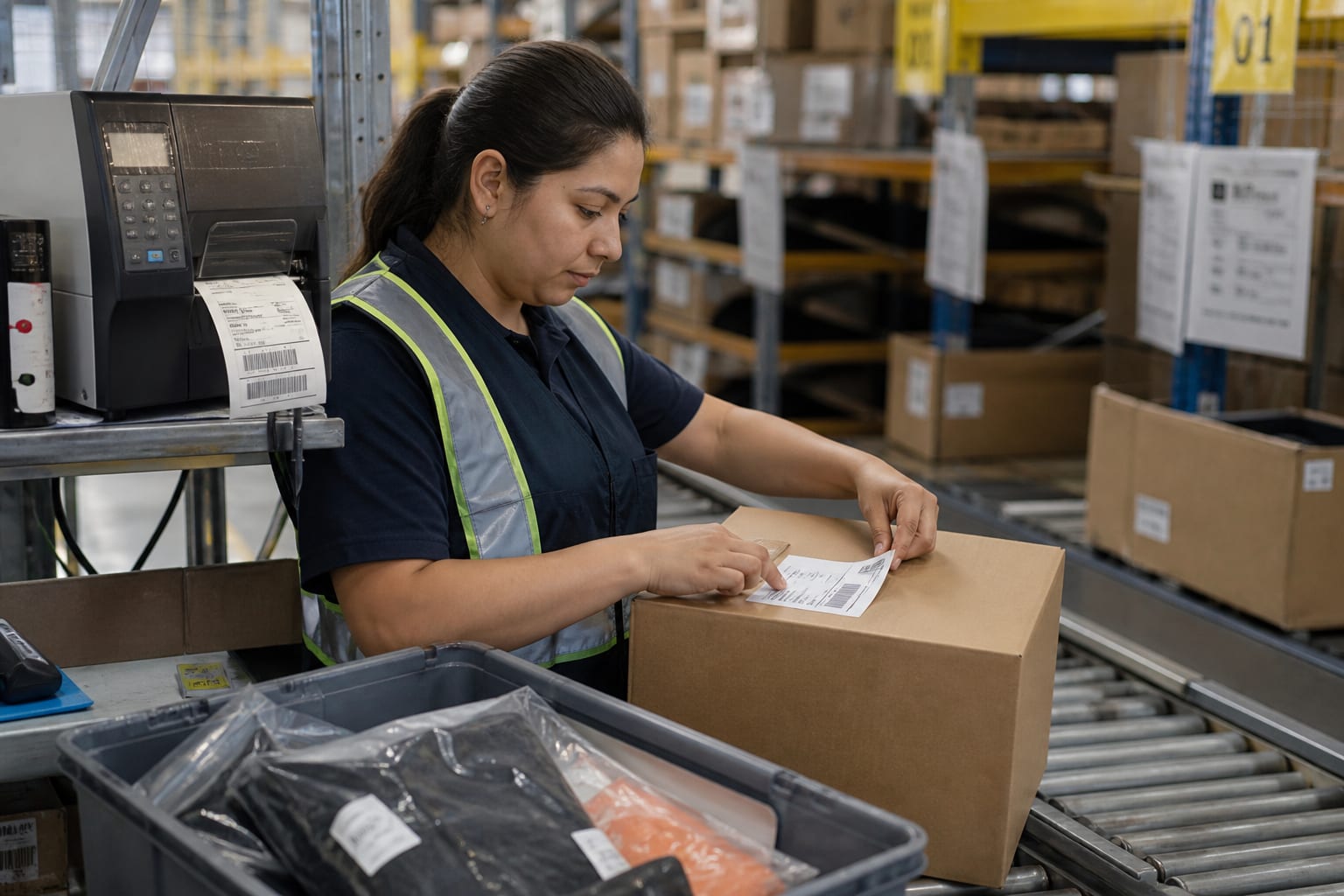
Last mile (final delivery to customer, store, or point of sale) concentrates 30–50% of delivery logistics cost despite being the shortest leg, because it pays fragmentation: many stops, little freight per stop, urban traffic, and a failure rate (absent consignee, bad address, missed window) that turns every redelivery into double cost. In Mexico, urban delivery cost runs $45–120 MXN per parcel in parcel networks and $250–600 MXN per stop in commercial distribution with light units, by route density and zone.
- of delivery cost
- 30–50%
- MXN urban parcel
- $45–120
- MXN commercial stop
- $250–600
- highest-ROI KPI
- 1st try
For finance, the right denominator is cost per successful delivery, not per attempt: without that number, the dashboard measures activity, not performance.
Cluster: charge dictionary · invoice audit · POD
Where cost (and chaos) lives
Stop density per route, first-attempt delivery rate, receiving windows, extended zones, and delivery evidence: those five fronts explain why the shortest leg eats margin.
Where last-mile cost lives
30–50% of delivery cost in the shortest mile: density and redeliveries decide.
KPIs that matter (and decoration)
What matters: cost per successful delivery, first-attempt rate, deliveries per route-day, redelivery rate with cause, and disputes won with POD. Decoration: kilometers and total deliveries without cost or success denominators. Frame: freight KPIs.
KPIs that matter (not decoration)
Select a step to see detail
Step detail · 01
Cost
Per success
Last-mile charges nobody audits
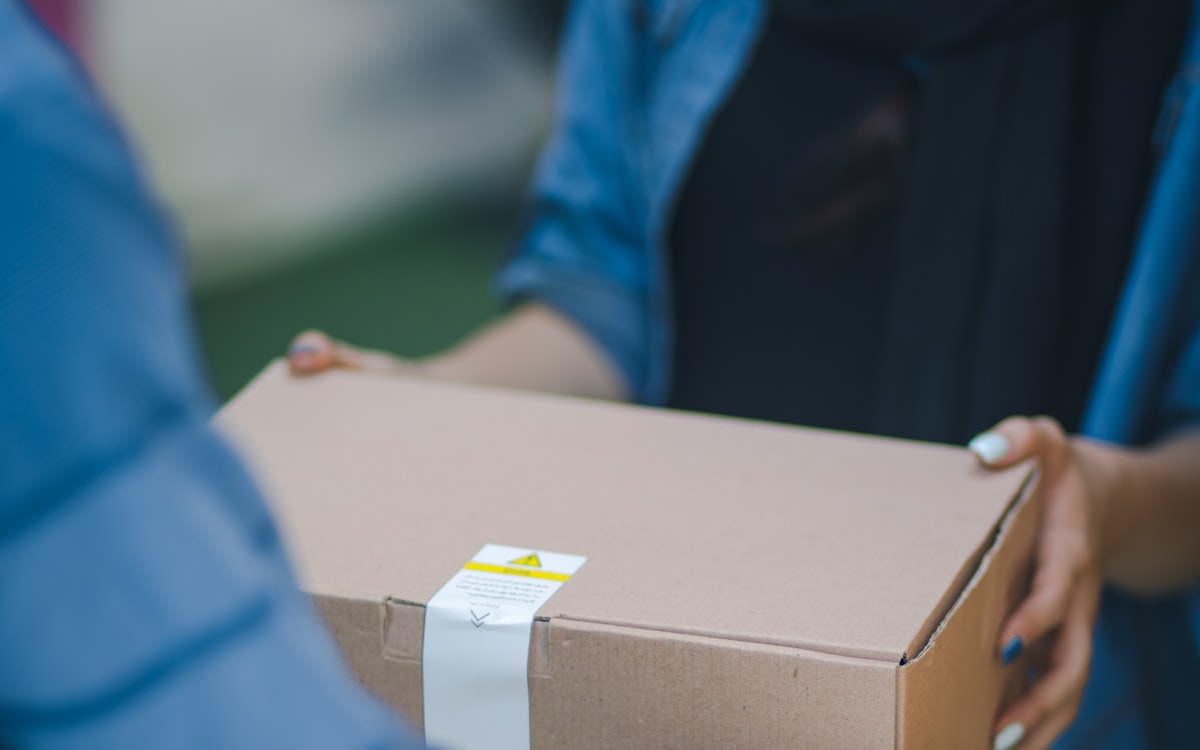
Redeliveries without recorded cause, misapplied zone surcharges, uncontracted extra stops, and estimated dimensional overweight. In parcel, reconciling hundreds of waybills to the discount tariff is arithmetic no human does by hand at volume: same principle as auditing any freight invoice.
Outsource or own fleet
High density and stable volume favor owned or dedicated light fleet on cost per delivery and evidence control. Variable volume or sparse coverage favors a third party (parcel or distribution 3PL). Healthy mix: dedicated for dense recurring routes, third party for the long tail, same POD and audit standard for both.
Last mile and retail OTIF
Delivery to DC or store is commercial last mile and its failures feed deductions. OTIF is won or lost in the last hour of the trip.
What OCL runs
OCL Cargo is an autonomous TMS with agents and computer use (operate screens and portals like an analyst). It reconciles last-mile waybills at volume, ties delivery evidence to the file, and makes cost per successful delivery visible to finance. Coexists without day-one migration; humans on exceptions. OCL can stamp invoices and Carta Porte when the flow requires it.
Pre-pay
Last mile under control
Measure
Cost / success
Audit
Waybills & redeliveries
Tie
POD to shipment
Learn
Real density
6–8 week pilot
Run cost per successful delivery (including redeliveries) on a month of waybills and audit redeliveries and zone at 100%. Metric: pesos per success and first-attempt %.
Elige un paso para ver el detalle
Detalle del paso · 01
Baseline cost per successful delivery
Key takeaways5 points
- Last mile = 30–50% of delivery cost despite the short leg.
- MX ranges: $45–120 MXN parcel; $250–600 MXN commercial stop.
- King KPI: cost per successful delivery and first-attempt rate.
- Audit redeliveries, zone, and dimensional overweight at waybill volume.
- Fleet mix: dedicated on dense routes, third party on the long tail.
Do you know your cost per successful delivery, redeliveries included?
Related reading
Frequently asked questions
Parcel: $45–120 MXN per urban package by negotiated volume. Commercial distribution: $250–600 MXN per stop with a light unit. Your real denominator (successful deliveries) is the number that matters.
Prior confirmation with the consignee, realistic windows by zone, and validated address at order capture. Highest ROI KPI in last mile.
Directly: DC or store delivery is commercial last mile and failures feed deductions. OTIF is won or lost in the last hour of the trip.
High density and stable volume favor owned/dedicated; variable volume or sparse coverage favors a third party. A healthy mix uses both with the same POD standard.
Reconciles waybills and redeliveries at volume, ties POD to the file, and makes cost per successful delivery visible. 6–8 week pilot.