

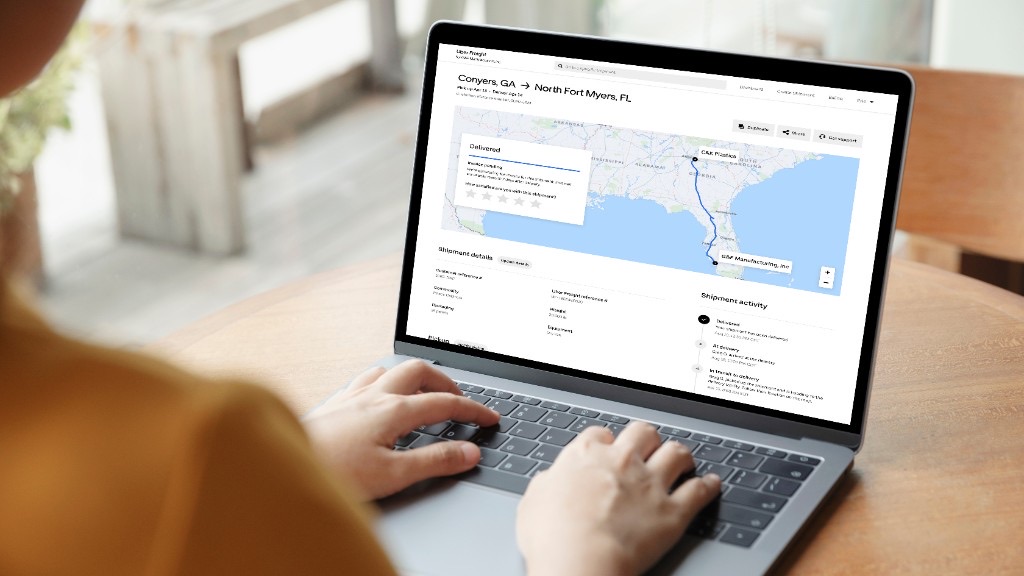
A transportation control tower is the function (people, process, and technology) that gives real-time visibility of every shipment and manages exceptions before they cost money: the trip about to miss an appointment, the unit stopped off-plan, a temperature excursion, a route deviation. The keyword is exception: a tower that shows 500 green dots on a map is decoration; one that raises the 12 at-risk trips and triggers corrective action is operations. In Mexico there are three ways to stand it up: in-house team with tools, outsourced tower (4PL model), or an autonomous tower run by AI agents.
- not a pretty map
- Exception
- setup models
- 3
- typical shipments/mo
- 150–300
- desired coverage
- 24/7
For finance, the business case appears when the cost of unmanaged exceptions exceeds the cost of the function: missed appointments, deductions, detention, and expedites.
Cluster: OCL tower · tracking at volume · glossary
What a working tower does
GPS or check-calls turned into ETAs and alerts; each alert type with action, owner, and deadline; arrivals and deliveries with timestamps; root cause that feeds improvement.
A tower that works (not a pretty map)
Exception management: 12 at-risk trips beat 500 green dots.
Purposeful tracking
GPS/mirror/check-call y ETA and alert
Exception playbook
Action, owner, SLA per alert type
Evidence on the move
Arrivals and deliveries timestamped
Close the loop
Root cause y carrier scorecard
Three models, compared
In-house, outsourced (4PL), or autonomous with agents. In-house dies of success (linear headcount); outsourced solves the night shift with evidence in someone else’s house; autonomous breaks the volume–headcount link. Function detail: tracking at volume.
Three ways to stand up a tower
In-house dies of success: more volume demands more people.
In-house
~150–250 trips / analyst
Risk: turnover at peaks
4PL tower
Per-shipment / monthly fee
Risk: evidence elsewhere
Autonomous
Agents + humans on exceptions
Scale without linear headcount

From what volume it pays
From when the cost of unmanaged exceptions (missed appointments, deductions, detention, expedites) exceeds the cost of the function: for most, 150–300 monthly shipments already make a business case. In peaks, the in-house model saturates first.
Control tower and TMS are not the same
TMS is the management system; the tower is the visibility and exception function that can live inside it. A traditional TMS without exception management is a real-time filing cabinet. Short definition in the glossary.
Signal from every unit
You need signal from all: own GPS, mirror access to the carrier’s, or check-call as a floor. Mixed coverage is the norm in Mexico; a serious tower integrates all three and later feeds detention audit and OTIF defense.
What OCL runs
OCL Cargo is an autonomous TMS with agents and computer use (operate screens and portals like an analyst). The OCL tower tracks 100% of trips and escalates to humans only exceptions that need judgment. Coexists without day-one migration; humans on exceptions. OCL can stamp invoices and Carta Porte when the flow requires it.
Pre-pay
Tower by exception
Track
100% trips
Alert
At risk
Escalate
Exception
Close
File
6–8 week pilot
Measure last-quarter unmanaged exception cost and run 100% tracking on a pilot corridor. Metric: appointments saved, detention avoided, and % of trips with complete evidence.
Elige un paso para ver el detalle
Detalle del paso · 01
Inventory of exceptions that cost today
Key takeaways5 points
- Tower = exception management, not a green-dot map.
- Three models: in-house, outsourced (4PL), autonomous with agents.
- Typical business case from ~150–300 shipments/month.
- TMS ≠ tower: TMS files; the tower acts on risk.
- OCL tracks 100% and escalates only judgment-needed exceptions.
Does your tower manage exceptions or collect green dots?
Related reading
Frequently asked questions
From when unmanaged exception cost exceeds the cost of the function: for most, 150–300 monthly shipments already make a business case.
It needs signal from all: own GPS, carrier mirror access, or check-call as a floor. Mixed coverage is the norm in Mexico.
No: TMS is the management system; the tower is the visibility and exception function that can live inside it.
Depends on night coverage, who owns the evidence, and the volume curve. If headcount no longer scales, evaluate autonomous or hybrid.
Agents track 100% of trips, capture evidence, and escalate only exceptions. 6–8 week pilot on one corridor.