

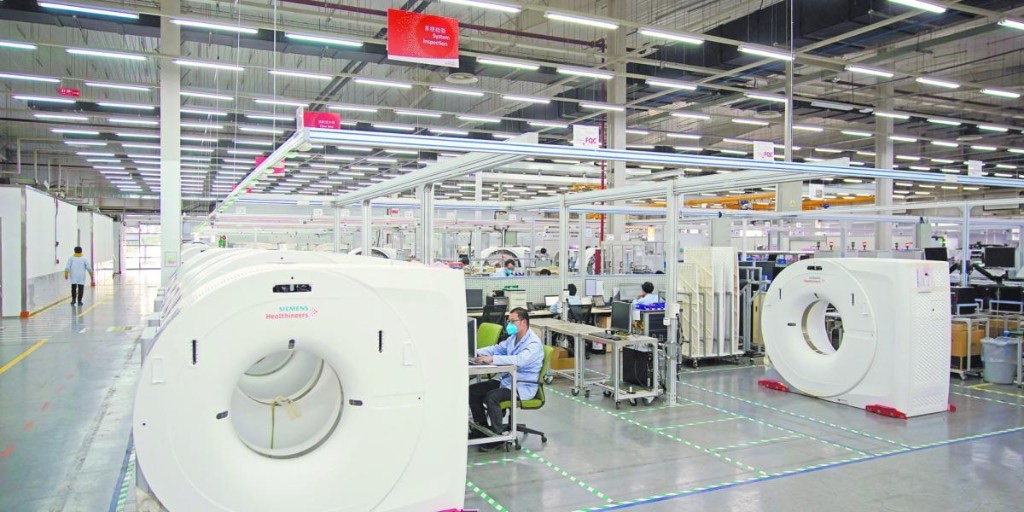
In Mexico–US medical devices, margin is not in the km but in documented custody required by the FDA (Food and Drug Administration) and COFEPRIS (Mexico’s Federal Commission for Protection against Sanitary Risks): who touched the lot, when, and with what integrity — trip file (T21 column, 11 Aug 2026).
The carrier is not selling standards in the abstract: it sells a lot-and-trip ID — temperature, seals, and handling — that accounts payable and quality can open in hours.
- US chain
- FDA
- MX counterpart
- COFEPRIS
- evidence per trip
- Lot
Short answer: sellable custody
The manufacturer is not buying “cheap truck”: they buy that every lot move has an auditable story. The T21 column includes medical devices among four nearshoring sectors (USD 35–50B, Pulsómetro Logístico 2026) — certainty there is custody, not spot rate.
FIGURE · MEDICAL DEVICES
What the manufacturer pays for (product signal)
Illustration: perceived value of commodity km vs lot custody file.
T21 column · Pulsómetro Logístico 2026 (sector frame).
Manufacturer / 3PL constraint
The device manufacturer is not buying “the cheapest truck”: they buy not reopening a sanitary audit when they switch operators. This matrix is for quality, operations, and freight buying: which risk each custody product prevents.
| Risk | Consequence | Product |
|---|---|---|
| Broken chain of custody | Recall or audit | Documented custody per lot |
| Carrier change without notice | Supplier re-qualification | Historical file per trip |
| Generic proof of delivery | DC or hospital dispute | Sealed evidence per lot |
FDA and COFEPRIS on the corridor
FDA (medical devices, US) and COFEPRIS (Mexico counterpart) are not the same rulebook, but both require that you can show who handled the lot, when, and under what conditions.
In Mexico, NOM-241-SSA1-2025 (good manufacturing practice for medical devices) reinforces storage, distribution, and transport. When the manufacturer outsources the move, it usually requires a technical agreement defining responsibilities, temperature, and traceability — a generic freight clause is not enough.
Operating guides (e.g. MedEnvoy on COFEPRIS warehousing) stress temperature monitoring in transit, segregation of rejected product, and lot-level records. If the device is cold-sensitive, the temperature log must travel on the same ID as the lot — not a separate spreadsheet.
On the US side, unique device identification (UDI) and, for tracked devices (21 CFR 821), distribution records can be requested within business days. Your logistics layer is not an FDA ruling, but it is the movement evidence quality needs to respond.
Good distribution practice (GDP / BPD) — see GDP/BPD glossary — is the panel entry ticket. The sellable product is the lot-and-trip file. CTPAT (customs security) is a different layer: do not confuse a CTPAT logo with sanitary custody.
Sanitary (FDA / COFEPRIS / NOM-241)
Question: Was the lot handled and stored correctly?
Who closes: Manufacturer quality + qualified carrier
Distribution (GDP / BPD)
Question: Are practice and technical agreement current?
Who closes: Manufacturer panel / 3PL
Customs security (CTPAT / OEA)
Question: Is the chain low-risk at the border?
Who closes: Shipper + carrier by role

Evidence per lot and trip
Minimum layer that manufacturer quality and operations will ask of the carrier or 3PL. Use it when building the trip ID: avoid arriving at an audit with “the lot was on the truck” and no proof.
Elige un paso para ver el detalle
Detalle del paso · 01
Lot identifier
Operational chain of custody
Operating flow from lot assignment to closed delivery. Prevents gaps where “someone else” touched the product with no trail.
Custody
From lot to delivery
Assign
Lot ID
Seal
Departure
Move
GPS
Close
POD
Generic freight vs documented custody
Comparison for freight buying and quality: same corridor, different product. If the customer is medical devices, do not compete on rate alone.
Generic freight
- No lot on the ID
- Generic delivery photo
- Operator swap without notice
- Audit fails
Documented custody
- Lot + trip on one ID
- GDP/BPD on the panel
- Own price for the service
- Renewable contract
Carrier checklist
Closing list for the carrier or 3PL that wants to sell custody — not just a box — on medical devices. Use it before quoting or renewing a manufacturer panel: avoid promising GDP/BPD without per-trip evidence.
Elige un paso para ver el detalle
Detalle del paso · 01
GDP / BPD qualification
Regulatory file
When quality or COFEPRIS/FDA ask for the lot, the product is recovering it in hours — not rebuilding it from email. There the answer is one ID that links lot, trip, documents, and telemetry. OCL Cargo builds that file as an autonomous TMS: agents operate screens, audit before payment, and escalate exceptions. Your team only when something does not match; it coexists with your ERP or TMS.
It does not replace the manufacturer’s quality team or certify good distribution practice (GDP/BPD). A 6–8 week pilot shows whether the custody file opens from the ID when they ask. The sector frame follows the T21 column (11 Aug 2026).
What is your pain?
If your constraint is not chain of custody, route to the product that is taxing margin:
Elige un paso para ver el detalle
Key takeaways5 points
- Medical devices require documented FDA/COFEPRIS custody — not a commodity freight discount.
- Medical nearshoring rewards carriers with defensible lot/trip files.
- GDP/BPD is entry ticket; the product is per-trip evidence at its own price.
- Switching operators costs audit — custody locks the panel.
- OCL assembles the lot/trip file and audits before payment; it does not certify GDP/BPD or replace manufacturer quality.
Does your medical lane sell custody or just box?
Related reading
Sources
Frequently asked questions
No. FDA/COFEPRIS/GDP custody is sanitary discipline per lot; CTPAT is customs security. See documented custody and supply-chain security certifications.
Who handled the lot, when, under what conditions (temp/seals if applicable), delivery integrity — on the trip ID.
Switching carriers can reopen the manufacturer’s audit — documented custody locks the relationship.
They complement: GDP/BPD defines practice; lot/trip file is operational evidence.
No. It links lot, trip, documents, and telemetry into one file and audits before payment; GDP/BPD regulatory judgment stays human.
See documented custody and GDP/BPD — here sector fit only.