

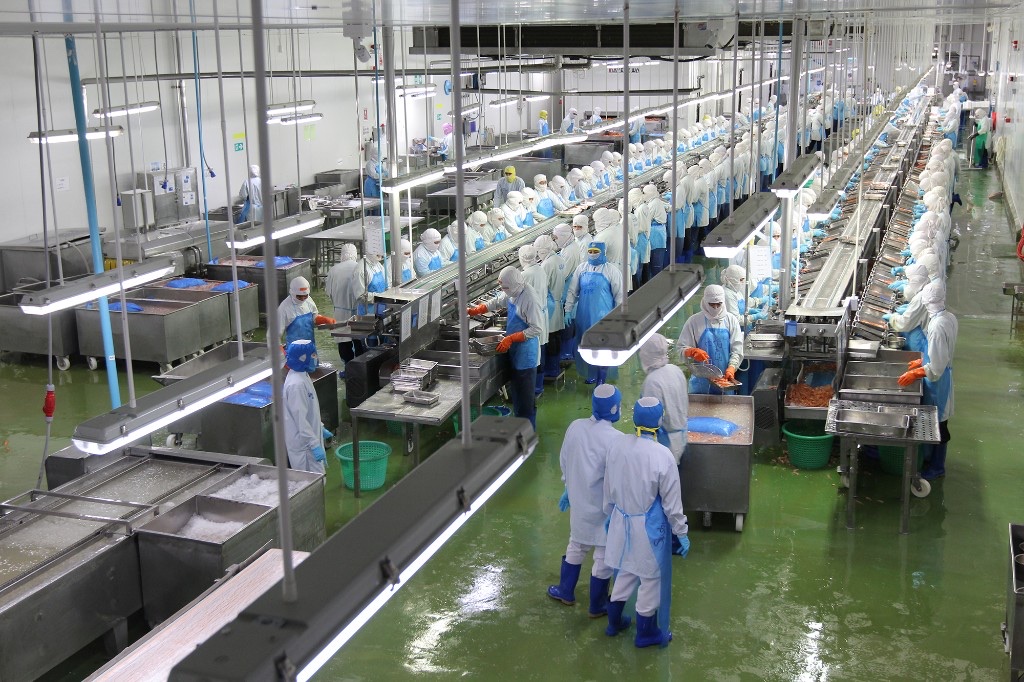
In Mexico–US processed foods, margin is lost at the distribution center (DC), not the crossing: retail reconciles with systems and AI; transport still delivers proof of delivery (POD) as PDF or WhatsApp. The defensible product is delivery reconciliation: a file in hours, not weeks (T21 column, 11 Aug 2026).
The pattern repeats outside the corridor: in the U.S., deduction platforms (freight audit and retail chargebacks — e.g. Transformance) close the deduction with data while the supplier arrives late. In Mexico the DC does the same — that is why delivery reconciliation sells at its own price.
- food retail AI (T21 column)
- 16.9%
- transport doc digitization (T21 column)
- 6.2%
- reconciliation close target
- Hours
Short answer: reconcile or lose margin
You win the tender and lose on deduction: retail already closed the dispute with data; you arrive with blurry photo and Excel. The column cites ~16.9% AI adoption/investment in food retail vs ~6.2% transport document digitization — that is where border margin leaks. Whoever documents at the buyer’s level does not “win” disputes: they eliminate them.
FIGURE · FOOD
Digitization gap (retail vs transport).
Signals cited in the Border margin column: food-retail AI vs transport document digitization.
T21 column 11 Aug 2026 · Pulsómetro / sector productivity.
Retail vs transport gap
Same delivery, different evidence speed: the DC applies automatic rejection and short rules; the carrier runs on WhatsApp. The Pulsómetro Logístico 2026 (ConaLog and partners) places processed foods among the four sectors concentrating additional nearshoring (USD 35–50B over the decade). That raises volume — and OTIF / chargeback pressure.
On productivity and complexity that never show on the P&L, Sandra Aragonez (Alvarez & Marsal / ConaLog) frames the gap in Mexico Business News (10 Jun 2026): more technology without simplifying the process only scales disorder — the loose PDF POD pattern.
For MX–US agro-industrial trade volumes, see official series at INEGI · merchandise trade balance and Banxico’s agri/agro-industrial table with the U.S. (SIE CE193). Data México breaks down food preparations by trading partner (Economy Ministry · Data México).
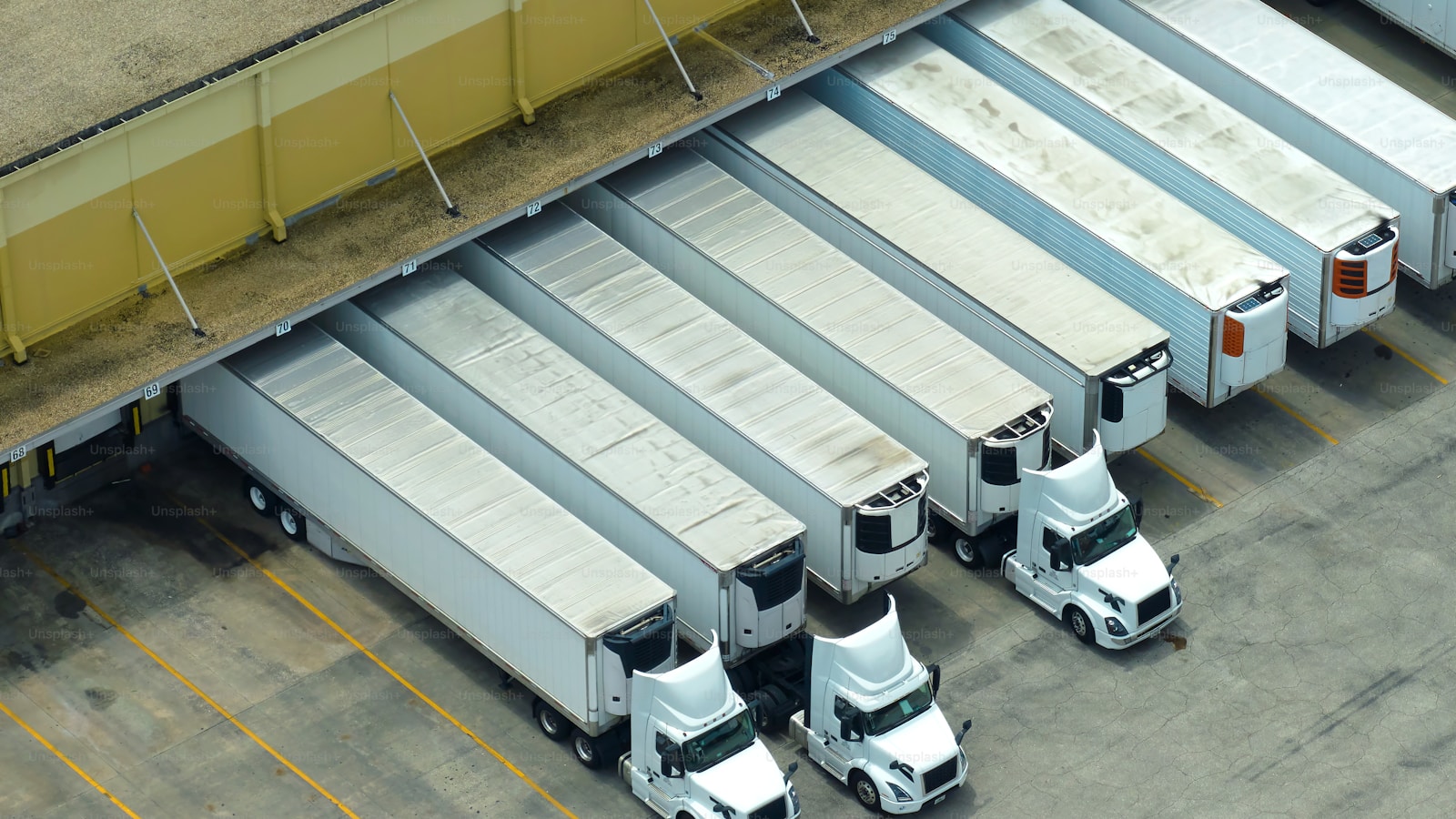
Cold chain and sanitary rules (FDA)
On temperature-controlled lanes into the U.S., the FSMA Sanitary Transportation rule (FDA) requires shippers, loaders, carriers, and receivers to follow practices and keep records (pre-cool, temperature control, contamination protection). That is not the same as a short chargeback, but it does require trip-level evidence you can reuse in commercial reconciliation.
For categories with enhanced traceability, FSMA Rule 204 (traceability records) raises the bar on IDs and events. In Mexico, COFEPRIS is the sanitary counterpart — context for compliance, not a lane opinion letter.
DC / retail constraint
The deduction (chargeback) does not always land the same day: in mature retail, lookback can be weeks or months. Without a delivery ID, accounts receivable fights blind. With a product, the dispute is evidence — not narrative.
| Event | Without reconciliation | With product |
|---|---|---|
| Short / reject | Deduction undefended | ID with DC rules |
| Appointment window | Disputed detention | Sealed timestamps |
| On-time in-full (OTIF) | Automatic penalty | Evidence in hours |
| Temp / seal | Claim without log | Record tied to ID |
Product: delivery reconciliation
The column’s decision: a delivery reconciliation file as a service, at its own price. Do not give defense away inside the commodity rate. At the border, spot is already tight — Uber Freight Q2 2026 documents MX–US rate lifts of 8–15% since February and high load-to-truck ratios; that does not save you from a chargeback if the DC closes first.
Manual POD
- PDF weeks later
- No tender cross
- Deduction accepted
- Margin lost
Reconciliation
- ID in hours
- Tender, POD, and rules
- Defensible dispute
- Own price
From POD to defense
These four steps are the minimum flow operations (or your 3PL) should close the same day as delivery. They keep the DC from locking a deduction before you have evidence.
Close
Four steps same day
Deliver
POD photo
Match
Load tender
Apply
DC rules
Close
ID hours
Manual PDF vs reconciliation in hours
You do not beat retail AI with reactive Excel. The reconciliation product includes a service level for delivering the file and clear dispute responsibilities. Same method as the column: one trip file in hours — automating disorder only scales it (ConaLog Logistics Dialogues is the corridor peer table).
Operating checklist
Closing list for the carrier, the 3PL, and accounts receivable before invoicing a food lane into retail. Use it in the weekly dock review or when packaging the reconciliation product: it stops you from accepting deductions because “there was no photo” or “the appointment was not in the system.”
Elige un paso para ver el detalle
Detalle del paso · 01
Proof-of-delivery (POD) convention
Close before deduction
When the DC deducts faster than transport can document, margin leaks in the dispute — not at the crossing. There the product is reconciling in hours: trip, proof of delivery, rejections, photos, and billing on one ID. OCL Cargo closes that file as an autonomous TMS: agents operate screens and audit before payment. Your team only on exceptions; it coexists with your TMS without a day-one migration.
Here the 5–7% pattern earns keep: a 6–8 week pilot audits the lane at 100% and shows whether you stop absorbing deductions without evidence. The commercial close stays yours; the retail-vs-transport asymmetry is in the T21 column (11 Aug 2026).
What is your pain?
If your constraint is not the DC deduction, route to the product that is taxing margin:
Elige un paso para ver el detalle
Key takeaways5 points
- Food retail vs transport: ~16.9% AI vs ~6.2% document digitization (T21 column, 11 Aug 2026) — asymmetric delivery dispute.
- Processed foods sits in the Pulsómetro Logístico 2026 nearshoring block (USD 35–50B).
- FSMA (FDA) requires sanitary transport and records; it does not replace commercial distribution center (DC) reconciliation, but it forces trip-level evidence.
- Delivery reconciliation = tender + proof of delivery (POD) + rejections + photos + DC rules in one ID, in hours.
- OCL matches operations, documents, and billing into one file and audits before payment; it coexists with your TMS in a 6–8 week pilot.
Does your food lane lose at the DC?
Related reading
Sources
- Uber Freight — Q2 2026 Market Update (PDF) · also blog summary
- Pulsómetro Logístico 2026 — ConaLog · coverage The Logistics World
- Aragonez, S. — “The Hidden Productivity Crisis…” (Mexico Business News, 10 Jun 2026)
- INEGI — Merchandise trade balance
- Banxico SIE — Agri/agro-industrial with the U.S. (CE193)
- Data México — Food preparations
- FDA — FSMA Sanitary Transportation
- FDA — FSMA Traceability (Rule 204)
- COFEPRIS
- ConaLog — Logistics Dialogues
- SESNSP — open crime data · ANERPV
Frequently asked questions
Magnitudes cited in the T21 column (11 Aug 2026) for the foods block: food-retail AI adoption/investment vs transport document digitization. Used here as an evidence-asymmetry signal, not our own survey.
POD is one piece; reconciliation crosses tender, quantities, rejections, photos, timestamps, and DC rules in one ID.
Retail reconciles in minutes with systems; transport arrives with manual PDF weeks later.
Delivery reconciliation SKU with own price — evidence in hours, not reactive audit.
No. It matches the actual trip to documents and billing, and delivers the file in hours so accounts receivable can dispute with evidence. The commercial close stays yours.
Different layers: FSMA (FDA) requires sanitary practices and records for food transport into the U.S.; short/OTIF disputes are commercial. Both defend better with one delivery ID.