

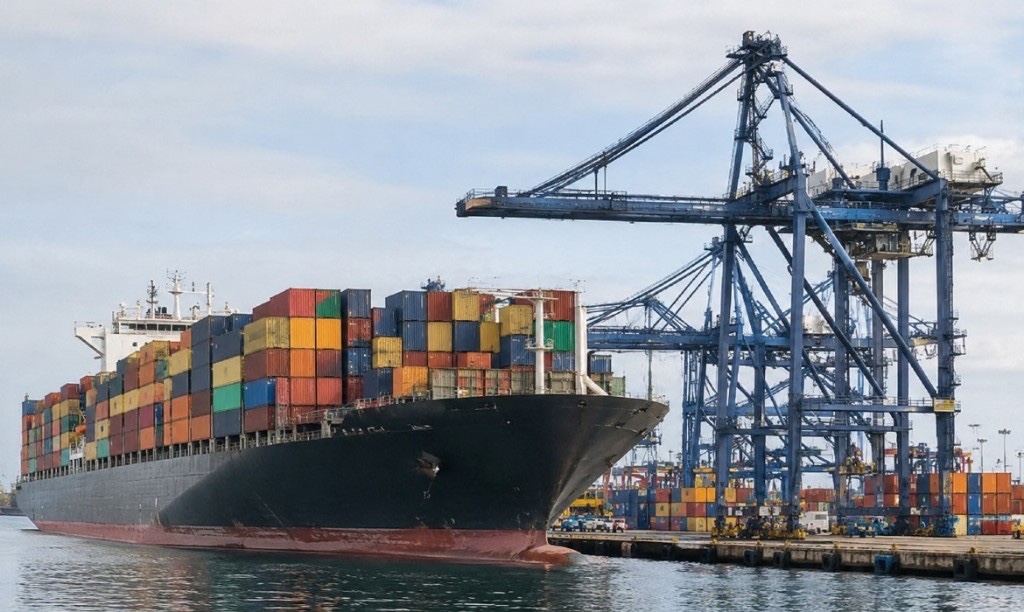
The four ports that concentrate Mexico’s containerized cargo are Manzanillo and Lázaro Cárdenas on the Pacific (Asia traffic) and Veracruz and Altamira on the Gulf (Europe, U.S. East Coast, and South America). Manzanillo is the country’s largest container port (~3.89M TEU in 2025 per ASIPONA; verify the latest annual stats) and also the most congested; Lázaro Cárdenas offers the best rail connection; Veracruz leads the Gulf; Altamira is the industrial alternative for the northeast. The right decision is not ocean freight: it is door-to-door total cost.
- Manzanillo TEU 2025*
- ~3.89M
- ports to compare
- 4
- door-to-door cost
- D2D
- diversification premium
- 3–5%
For finance, a $150 USD cheaper ocean rate into a congested port evaporates with two days of demurrage: compare expected total cost, not ocean alone.
Cluster: free days · Manzanillo–CDMX · CIIT vs Panama
Operational port map
Start with your flow profile (Asia vs Gulf, Bajío vs northeast destination), then compare real operations, not brochures.
Four ports, one door-to-door cost
Manzanillo led 2025 at ~3.9M TEU; ocean freight alone does not decide.
Manzanillo
~3.9M TEU 2025
Pacific · Asia
Highest volume; high congestion
Lázaro Cárdenas
Best rail
Pacific · Asia
Industrial + rail
Veracruz
Gulf leader
Gulf · US/EU
Center & southeast
Altamira
Northeast
Gulf · industrial
Lower relative congestion
Basin
Manzanillo: Pacific
Lázaro: Pacific
Veracruz: Gulf
Altamira: Gulf
Profile
Manzanillo: Largest TEU
Lázaro: Rail-led
Veracruz: Largest Gulf
Altamira: NE industrial
Congestion
Manzanillo: High in peak
Lázaro: Medium
Veracruz: Medium
Altamira: Low–medium
Corridor
Manzanillo: Bajío / center
Lázaro: Bajío / center
Veracruz: Center / SE
Altamira: Northeast
Door-to-door total cost
Ocean freight + THC and handling + demurrage risk from congestion + truck or intermodal drayage + corridor security premium. Include free days and real terminal demurrage.
Door-to-door cost stack
Illustrative: inland + demurrage often move more than $150 ocean.
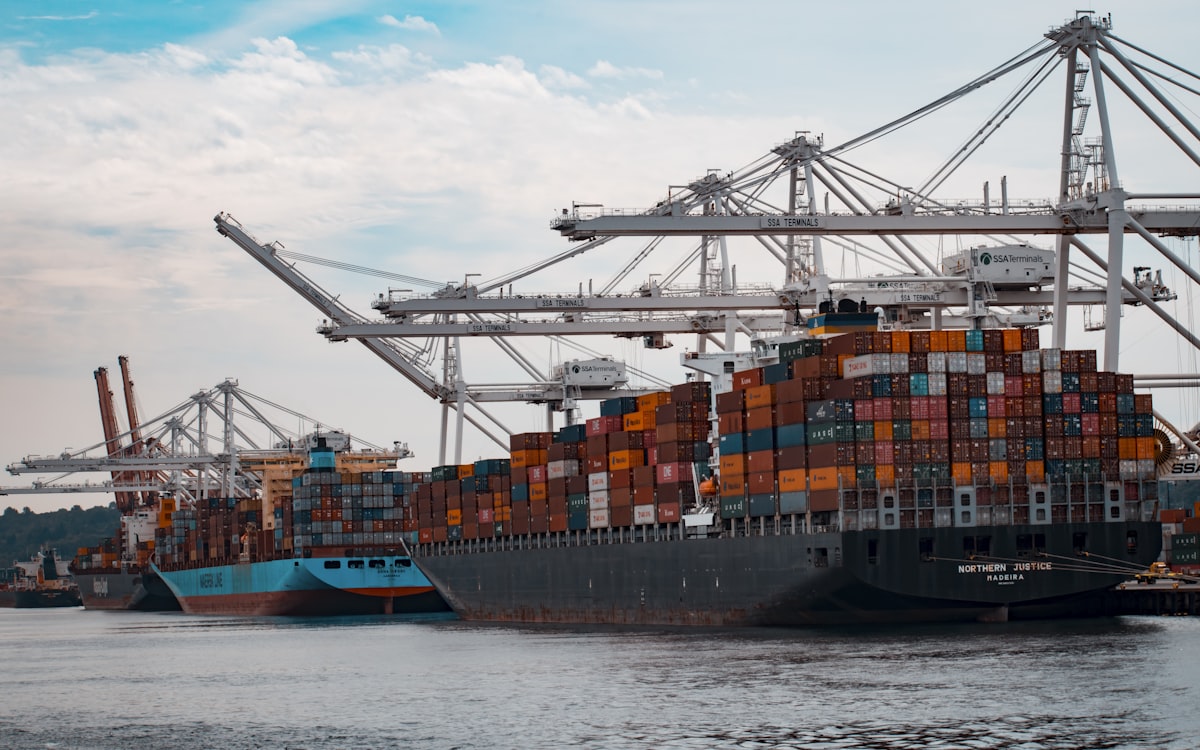
Manzanillo: volume and congestion
Manzanillo reported about 3.89 million TEU in 2025 (ASIPONA). It is the Asia–Mexico hub and the one that punishes most with demurrage in peak season. If your plant is in the Bajío, run Manzanillo vs Lázaro with your drayage numbers, not the industry average.
Port diversification is risk management
Keeping an active secondary flow (even at 3–5% more) is operating insurance. Documentation must be equally auditable at both ports.
Northeast: Altamira vs U.S. port + crossing
For northern Mexico destinations, Long Beach or Houston + border crossing competes on time. Cost depends on duties, corridor, and IMMEX structure. Also calibrate highway risk on the corridor.
What OCL runs
OCL Cargo is an autonomous TMS with agents and computer use (operate screens and portals like an analyst). It reconciles the multimodal file (carrier, broker, inland) before payment. Coexists without day-one migration; humans on exceptions. OCL can stamp invoices and Carta Porte when the flow requires it.
Pre-pay
Compare and audit the port
Sum
Total cost
Measure
Demurrage
Cross
File
Decide
Port / pay
6–8 week pilot
Take 30–50 recent shipments per candidate port: total cost, real demurrage, and drayage. Metric: pesos per TEU delivered to plant and % of avoidable demurrage.
Elige un paso para ver el detalle
Detalle del paso · 01
Total-cost baseline by port
Key takeaways5 points
- Decide on door-to-door total cost, not ocean freight alone.
- Manzanillo leads TEU (~3.89M in 2025, ASIPONA; verify yearly) and congestion.
- Lázaro Cárdenas leads rail connection; Veracruz and Altamira lead the Gulf.
- Free days, demurrage, and drayage move more pesos than a $150 USD ocean gap.
- Diversifying ports is operating insurance, not vendor disloyalty.
Did total cost or habit choose your port?
Related reading
Frequently asked questions
Manzanillo for containerized cargo (~3.89M TEU in 2025 per ASIPONA; verify the latest annual stats). On total volume, oil ports compete separately.
It adds Salina Cruz and Coatzacoalcos for specific flows; full analysis is in Interoceanic Corridor vs Panama.
For northern Mexico destinations, Long Beach or Houston + border crossing competes on time; cost depends on duties, corridor, and IMMEX structure. Compare by flow.
Yes at volume: an active secondary flow (even at 3–5% more) is operating insurance that pays for itself in the first crisis.
It reconciles ocean freight, expense accounts, demurrage, and inland legs in one file per shipment. 6–8 week pilot on your real corridors.