

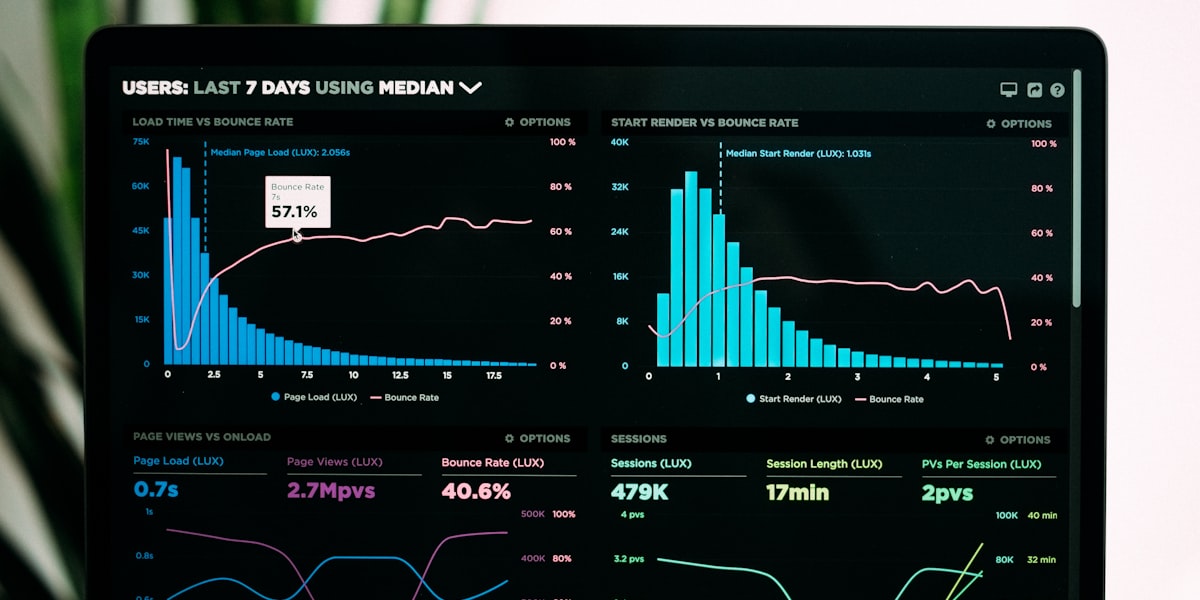
Real-time logistics monitoring is seeing where each shipment is, catching exceptions in time, and leaving evidence that reaches accounts payable — not just a truck icon on a map. In Mexico and on Mexico–US corridors, the winner closes the trip with a shipment file, not another GPS screen.
- target to first action on an exception
- <10 min
- unit · load · ETA · dwell · POD
- 5 layers
- pilot without replacing TMS on day 1
- 6–8 wk
- pattern when auditing 100% of the pilot
- 5–7%
Cluster context: geofencing · POD · OTD · control tower · routing.
What logistics monitoring is (short answer)
Logistics monitoring is the system (people + rules + data) that answers, in useful time: where the trip is, which milestone is missing, who acts when the plan breaks, and what evidence remains to pay or dispute.
It includes location sources (hardware GPS, app, or mirror account), milestones (departure, in transit, geofence arrival, unload), alerts with a clear cause, and documentary close — especially proof of delivery (POD). “Real time” is not a one-second latency claim in marketing: it means acting before the customer or plant feels the hit, and that accounts payable does not pay blind weeks later.
GPS ≠ shipment file: check calls, WhatsApp, ownerless pins
Mexican SERP pages for “monitoreo logístico” often sell a map, IoT, or another module. The shipper paying third-party freight needs a different question: does the signal close the trip, or only paint another screen?
Thin GPS module / TMS module
How it looks: Plan + deviations + devices + AI buzzwords
What MX–US freight still lacks: Finished work: bound POD, exception owner, pre-pay match
24/7 supervisors
How it looks: Humans “watch” G-Track / active-passive GPS
What MX–US freight still lacks: Typed diagnosis; without it the center only forwards chats
Optimizer + software CTA
How it looks: Tracking, routing, KPIs in a pamphlet
What MX–US freight still lacks: A file that reaches accounts payable — not vanity dashboards
Check call or WhatsApp ping
How it looks: “On the way” / “departed” with no typed timestamp
What MX–US freight still lacks: Recoverable trail bound to the ID · not an audit
Related: false digitization: the human bridge · OCL vs Unigis.
GPS alone vs tower with evidence
GPS answers “where.” A tower with evidence answers “can I act and defend the payment?” Same satellite signal; different finished work.
Visibility · two contracts
Thin pin vs tower with a file
GPS locates. Monitoring decides: ETA, dock, exception, and payment.
Location only
Pin / check call
“On the way” with no alert owner · does not bind POD or pre-pay match.
Operable tower
Evidence + decision
Geofence, ETA, POD, typed exception · reaches accounts payable.
Rule
A pin with no alert owner is not monitoring · it is dashboard decoration.
Question answered
GPS alone (map): Where is the unit?
Tower with evidence: Which milestone is missing and who acts?
Alert
GPS alone (map): Red pin or “no signal”
Tower with evidence: Typed cause (diversion, appointment, dwell, incomplete POD)
Check call
GPS alone (map): Loose call or chat
Tower with evidence: Milestone with timestamp bound to the trip ID
Delivery
GPS alone (map): “Arrived” on the map
Tower with evidence: Defensible POD + destination geofence
Payment
GPS alone (map): Does not participate
Tower with evidence: Match with rate, CFDI, and Carta Porte before release
Scales with volume
GPS alone (map): More screens / more eyes
Tower with evidence: Agents on routine · your team on the exception
If you remove the map and can no longer dispute detention or hold a payment with cause, you never had monitoring: you had telemetry.
What to monitor: unit, load, ETA, dwell, POD
A board that only paints tractors leaves five different pains blind. Define what you watch by trip type before buying another seat.
Unit
What you watch: Position / route vs plan
Early signal: Diversion, signal loss on a critical segment
Evidence that closes: Useful ping or mirror account with geofence
Load
What you watch: Custody, seal, temperature if applicable
Early signal: Unauthorized open, chain-of-custody break
Evidence that closes: Photo / seal / sensor bound to the ID
ETA
What you watch: Estimated time vs appointment window
Early signal: ETA that breaks dock or plant
Evidence that closes: Actionable notice to receiving / DC
Dwell
What you watch: Minutes at origin or destination
Early signal: Queue that drives detention / accessorials
Evidence that closes: Geofence + gate/dock timestamps
POD
What you watch: Defensible delivery
Early signal: Orphan or incomplete POD
Evidence that closes: Who, when, how much, condition · on the ID
OTD (on-time delivery) breaks if the ETA lied or dwell ate the window. Routing sets the plan; monitoring executes the truth of the trip.
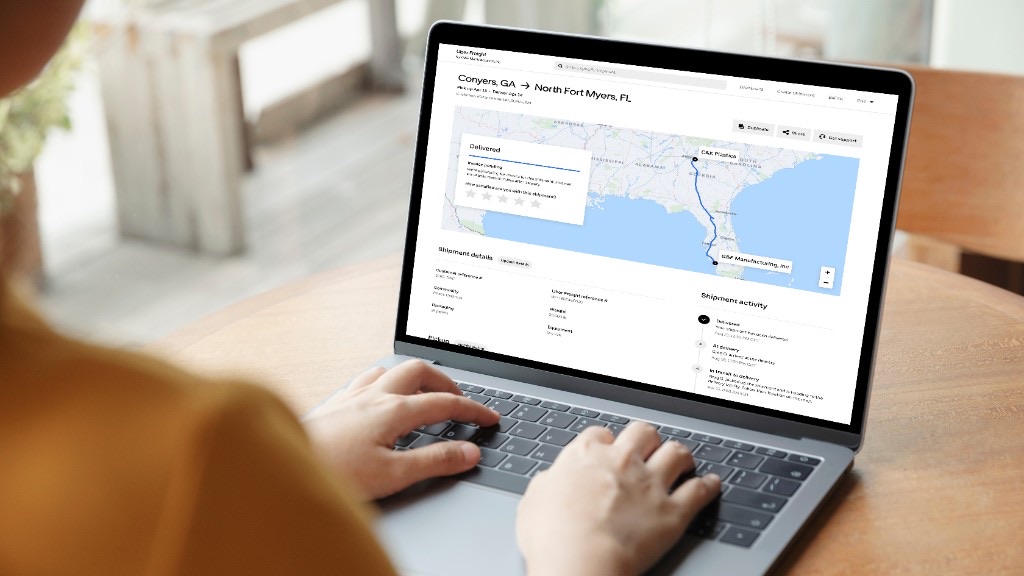
Inbound vs outbound: two different truths
Same location technology; different business questions. Treating “monitoring” as one KPI flattens the pain.
Question that hurts
Inbound: Does it arrive on time to plant/warehouse or do we stop the line?
Outbound: Do we hit the DC/customer appointment and leave evidence?
Early signal
Inbound: ETA vs receiving window; diversion; signal loss
Outbound: Late departure; appointment risk; destination geofence
Typical action
Inbound: Rebook dock, notify production, carrier plan B
Outbound: Notify DC, manage wait/detention, capture POD
Anchor KPI
Inbound: Supplier OTIF / line stops avoided
Outbound: Customer OTD/OTIF, % appointments met, destination dwell
If your tower uses the same board without labeling trip type, “red” alerts mix: a 40-minute delay into plant is not the same as a unit in a DC queue with a missed appointment.
GPS, geofencing, ETA, check calls, and tower
Sources do not compete: they stack. The error is pretending one replaces the others across a multi-carrier network.
Hardware GPS
Strength: Continuous signal, geofences, fewer “forgot the app” gaps
Typical weakness: Cost; carriers that will not share hardware
When to prioritize: Private fleet or long contract with mandatory hardware
Driver app
Strength: Fast adoption; photo/POD in the same flow
Typical weakness: Battery, signal, driver who stops updating
When to prioritize: Third-party network with clear checklist and incentive
Mirror account
Strength: Multi-carrier without buying eight devices
Typical weakness: Depends on portal and carrier permissions
When to prioritize: Shipper/3PL with a mixed carrier panel
Geofencing
Strength: Automatic arrival/departure milestones
Typical weakness: Badly drawn fences = false positives
When to prioritize: DC appointments, dwell, defensible OTD
Typed check call
Strength: Confirms cause when GPS is not enough
Typical weakness: No template or ID = anecdote
When to prioritize: Critical segments, border, signal loss
Customer tracking link only
Strength: Communicates a shallow ETA
Typical weakness: Nobody acts at 2 a.m.; does not close the file
When to prioritize: Service complement, never the system of record
Operating detail: GPS mirror accounts · what geofencing is · what GPS is in freight.
Exception ownership: “someone watching” is not enough
The “24/7 human supervision” model sells calm. Without typed diagnosis, the center only forwards WhatsApp faster. The healthy model: automate routine tracking and reserve your team for already-typed exceptions (impactful diversion, signal loss on a critical segment, broken appointment, incomplete POD).
Agents that operate screens can update status across portals, consolidate the mirror account, and assemble the shipment file; judgment (hold payment? change carrier?) stays yours. Not “no humans”: humans on judgment, not on map refresh.
Elige un paso para ver el detalle
Detalle del paso · 01
Every alert has a cause
Signal 1
See control tower: tracking and volume · what a control tower is · tower leads who do not live in Excel.
From the map to accounts payable
This is where you beat pamphlet pages. Monitoring that wins for a Mexican shipper binds four layers to the same trip ID before releasing freight payment:
- Location / GPS — useful ping or mirror with geofence.
- Operational status — typed milestone (not just “in transit”).
- POD — defensible receipt (who, when, how much, condition).
- Payment coherence — rate + CFDI + Carta Porte aligned to the real trip.
OCL can stamp invoice and Carta Porte; the value of monitoring is matching and holding with cause when the file does not square. Deep dive: CFDI + Carta Porte + GPS + POD audit.
Close
From ping to pay
Locate
GPS or mirror
Status
Typed milestone
POD
Dock evidence
Match
Rate and docs
What OCL runs without replacing your GPS/TMS
OCL is an autonomous TMS (Transportation Management System) with agents that operate screens and portals: they close tracking, evidence, and audit on top of or beside your current system of record. It does not ask you to migrate GPS or TMS on day one.
- Consolidates mirror accounts and multi-carrier status.
- Types exceptions and escalates only what needs your team’s judgment.
- Binds POD to the trip ID.
- Matches rate + CFDI + Carta Porte + GPS + POD before pay. OCL can stamp invoice and Carta Porte.
Thin GPS / monitoring module
Typical promise: Another screen: plan, deviations, module POD
Outcome the shipper needs: Finished work: milestone + evidence + pre-pay without feeding another UI
24/7 human service
Typical promise: Supervisors watch the trip
Outcome the shipper needs: Agents on routine · Your team decides exceptions
OCL
Typical promise: Agents + shipment file + audit
Outcome the shipper needs: Visibility that reaches accounts payable · coexistence
OCL
Tracking that closes
Read
Mirror / portal
Alert
Clear cause
Evidence
POD on ID
Audit
Pre-pay
Comparisons: OCL vs Unigis · OCL Cargo vs Unigis guide · traditional TMS vs OCL. Typical pilot 6–8 weeks; pattern 5–7% when auditing 100% of the pilot flow; on the order of ~$50 MXN per shipment when scope fits.
6–8 week pilot on one corridor
Without replacing your tools on day one. Pick a corridor with real volume (for example Bajío–Northeast or a customer with frequent DC appointments), freeze the baseline, and measure.
Elige un paso para ver el detalle
Detalle del paso · 01
Weeks 1–2: baseline and sources
Week 1
Key takeaways5 points
- Logistics monitoring = location + status + alert owner + evidence (POD) bound to the trip ID — not a pin on a map.
- GPS alone does not close the shipment file: without typed geofence, POD, and rate/CFDI match, accounts payable pays blind.
- Monitor five layers: unit, load, ETA, dwell, and POD. A check call or WhatsApp with no trail is not an audit.
- Healthy tower: agents update screens; your team decides exceptions. Not “no humans”; humans on judgment.
- 6–8 week pilot on one corridor; 5–7% pattern when auditing 100%; ~$50 MXN/shipment when scope fits.
Does your monitoring close the trip… or only paint the map?
Related reading
Frequently asked questions
No. GPS (Global Positioning System) locates the unit. Logistics monitoring turns location, status, proof of delivery (POD), and exceptions into decisions: ETA (estimated time of arrival), dock prep, payment holds, and OTD (On Time Delivery). A pin with no alert owner is not monitoring.
Not always. What matters is the protocol: who acts on a diversion, missed appointment, or signal loss within ~10 minutes. A center that only forwards WhatsApp saturates. OCL combines agents that operate screens with your team deciding typed exceptions — not “no humans”; humans on judgment, not on map refresh.
Only if they are bound to the trip ID with a timestamp, milestone type, and recoverable trail. A “it’s on the way” in chat does not close an audit or a detention dispute. See POD and geofencing.
Unit, load (when custody risk applies), ETA vs window, dwell time at origin/destination, and POD. Same tower, five questions. If you only watch the tractor, accounts payable still pays blind.
If you pay freight in Mexico, yes: visibility closes when GPS + status + POD align with rate, CFDI (Mexican digital tax invoice), and Carta Porte before releasing payment. OCL can stamp invoice and Carta Porte; it also matches evidence in the shipment file. Guide: pre-pay freight audit.
No. It coexists: reads mirror accounts and portals, updates status, binds POD, and escalates exceptions. It works on top of or beside your system of record. Compare approach on OCL vs Unigis. Typical pilot 6–8 weeks; 5–7% pattern when auditing 100%; on the order of ~$50 MXN per shipment when scope fits.
Four signals: % of trips with useful position, time to first action on an exception, % of POD bound to the trip ID on time, and % of invoices with a complete file before pay. If you only watch “units on a map,” you are measuring a screen, not the operation.