

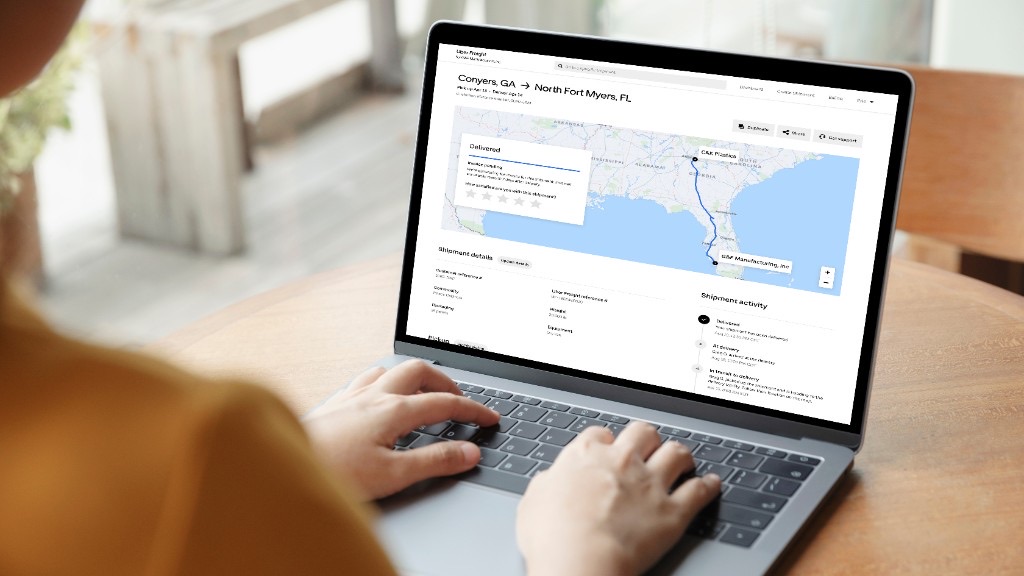
A Transportation Management System (TMS) is the software that plans, executes, and controls freight movement between nodes. In Mexico 2026, choosing well is not voting in a viral ranking of 17 European brands: it is deciding what work the system closes with CFDI, Carta Porte, POD, and Finance in pre-pay on the Mexico–US corridor.
This is the guide for shippers / 3PLs and own-fleet ops in Mexico that buy or move freight toward the US or national distribution: operable definition, must-have modules, archetypes with named players (no fake list), checklist, buying mistakes, pricing models, and when an autonomous TMS with agents (OCL) fits without a big bang.
- choose by closed work
- Archetype ≠ ranking
- same trip ID, not three folders
- CFDI + CP + POD
- pattern auditing 100% of the pilot
- 5–7%
- pilot on one corridor, no big bang
- 6–8 wk
Nearby cluster: TMS selection checklist · traditional TMS vs OCL · fake digitization.
What a TMS is (and what matters in MX 2026)
A TMS (Transportation Management System) is the information system for freight transport: it turns orders or shipping orders into planned, assigned, tracked, and documented trips, with data ready for operations and for Finance (accounts payable).
On the Mexico–US corridor the 2026 buying cut is not “does the brochure say AI?”. It is: does the trip ID bind rate + CFDI with Carta Porte when required + proof of delivery (POD) + GPS evidence, and does someone (or an agent) match that before releasing pesos?
If your traffic lead is out tomorrow, does the system know which trips exist, who was assigned, and what evidence pays? If the answer is WhatsApp + Excel, you do not yet have an operable TMS: you have files.
Who this guide is for
Written for shippers, 3PLs, and own-fleet ops in Mexico that sell or buy freight toward the US or national distribution. It is not a SoftDoit/Cargoson-style list aimed at EU carriers.
Shipper (plant, retail, e-commerce)
What you need from the TMS: Multi-carrier freight buy, OTIF, fiscal file, Finance pre-pay
Typical pain without it: Rates in chat; blind pay; POD in another group
3PL / logistics operator
What you need from the TMS: Multi-client, multi-carrier, tower, POD, bill client and pay line
Typical pain without it: Twelve spreadsheets and three WhatsApps per account
Own fleet / motor carrier
What you need from the TMS: Orders, units, drivers, workshop, routing, own stamping
Typical pain without it: Trips in a notebook; Carta Porte detached from the trip
Nearshoring and IMMEX push volume north: the threshold where Excel hurts often appears near ~300 shipments/month with multiple carriers. That is the same order of magnitude as the 6–8 week playbook.
What changes the buy in Mexico 2026
A “global” TMS without fiscal localization and without a real provider channel is incomplete here. These are the questions a Mexican COO asks before a European brochure price.
CFDI + Carta Porte
Buying question: Does the XML spawn from the trip or get retyped elsewhere?
Risk signal: Complement 3.1 in a slide deck; SAT catalogs off the object
Defensible POD
Buying question: Do date, receiver, and photo/signature hang on the same ID?
Risk signal: POD lives on WhatsApp and nobody binds it to the shipment
Finance in pre-pay
Buying question: Is rate + docs + evidence matched before releasing MXN?
Risk signal: Sampling or “trust”; disputes months later
Provider channel
Buying question: Native app and/or WhatsApp with milestones on the trip ID?
Risk signal: Web portal only that the carrier never opens
Fleet vs panel
Buying question: Do you govern own units (workshop, settlements) or buy from third parties?
Risk signal: You buy an urban router for an FTL Laredo corridor
Deeper fiscal frame in the Carta Porte guide and matching in CFDI + Carta Porte + GPS + POD audit.
Must-have modules 2026
When you evaluate demos, prioritize functions that close work. This table is the operable minimum for the corridor: not a decorative ten-card list.
Orders / shipments
What it must do on the trip object: One ID with origin, destination, weight, cargo, and window
Failure signal: The “trip” lives in chat or a parallel spreadsheet
Rates and assignment
What it must do on the trip object: Rate card or quote bound; tender to the carrier
Failure signal: You quote on WhatsApp then “capture” the winner
Visibility and exceptions
What it must do on the trip object: Milestones + owned alerts (not just a map pin)
Failure signal: The tower learns of delay when the customer calls
Mexico documents
What it must do on the trip object: CFDI + Carta Porte + POD hung on the same ID
Failure signal: XML in one folder; POD in another group
Finance / pre-pay
What it must do on the trip object: Match rate + docs + GPS/POD before releasing pesos
Failure signal: Pay by sampling; incomplete file
Fleet / workshop (if applicable)
What it must do on the trip object: Units, drivers, maintenance, and settlements
Failure signal: Workshop in another system with no trip link
Dynamic routing (if applicable)
What it must do on the trip object: Replan when demand, appointments, or failures change the day
Failure signal: Printed fixed route; exceptions only by phone
Multimodal (if applicable)
What it must do on the trip object: One thread for road + ocean + air with docs per leg
Failure signal: Three spreadsheets per mode and zero cross status
TMS archetypes (no fake ranking)
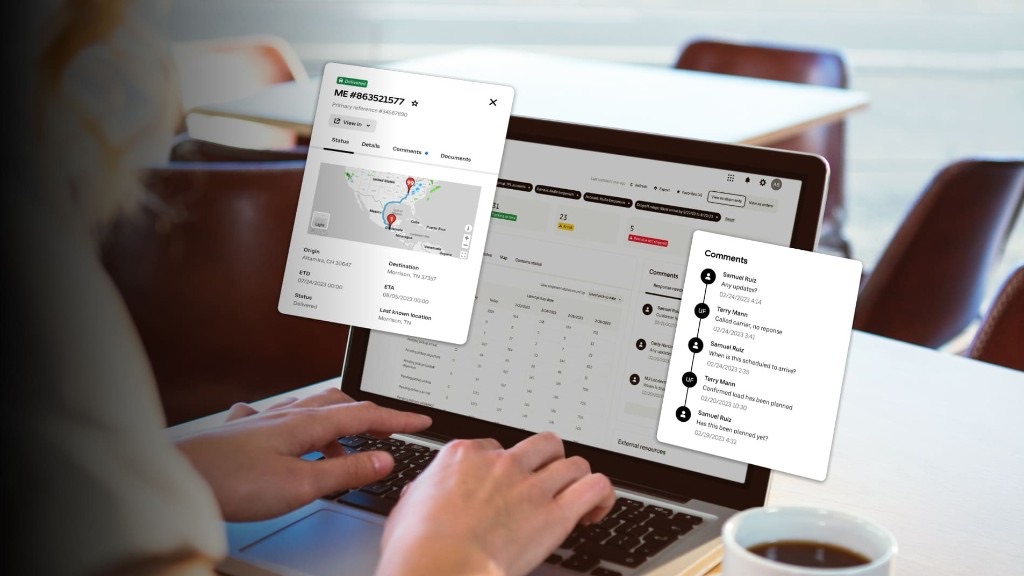
“17 best TMS 2026” lists mix EU shippers, local carriers, and last-mile routers. For a COO in Mexico it is more useful to compare archetypes and name typical players without inventing a podium.
Enterprise suite
Typical players (examples): Oracle TMS, SAP TM, Manhattan
When it fits: You already run that suite; high volume; program budget
Honest limit: Long implementation; MX localization is often a separate project
Mid-market / shipper TMS
Typical players (examples): MercuryGate and freight-buy peers
When it fits: Multi-carrier, RFQ, contractual lanes
Honest limit: Still needs someone to execute portals and the day-to-day file
LATAM distribution / visibility
Typical players (examples): Unigis and tower/distribution platforms
When it fits: Distribution network, visibility, route orchestration
Honest limit: Validate fleet/workshop depth, multimodal, and MX fiscal pre-pay
Last mile / urban routing
Typical players (examples): Drivin, SimpliRoute and peers
When it fits: Urban delivery, density, driver app
Honest limit: Does not replace a corridor FTL/LTL TMS with Carta Porte and audit
MX fleet / carrier
Typical players (examples): LIS, Avansat, GM Transport and peers
When it fits: You sell capacity; settlements; own stamping
Honest limit: Carrier-oriented, not for the shipper buying freight
Autonomous TMS with agents
Typical players (examples): OCL Cargo
When it fits: You want closed work (assign, track, POD, audit) without a big bang
Honest limit: Not a list of 17 seats: execution + exceptions to your team
Shortlist by profile and head-to-head cards: best TMS Mexico 2026 · traditional TMS vs OCL.
How to choose: buyer checklist
Use this list in the RFP and the demo. If the vendor cannot show the trip object with real documents, do not sign for the map.
Elige un paso para ver el detalle
Detalle del paso · 01
Correct archetype
Check 1
Extended version: Mexico TMS selection checklist.
Buying mistakes that hurt most
These failures repeat in nearshoring RFPs. Avoid them before you negotiate the fee.
Buying from a viral ranking
Why it hurts: You mix EU shipper, last mile, and MX fleet in one table
Antidote: Archetype first; then a shortlist of 3–4
Confusing warehouse with freight
Why it hurts: You pay for WMS or an ERP “transport” module and the trip stays in chat
Antidote: Ask: is the object a location, a ledger entry, or a trip?
Map demo without a file
Why it hurts: Pretty GPS; Finance still samples
Antidote: Require live match of rate + docs + POD
Ignoring the carrier channel
Why it hurts: Portal nobody uses; milestones stay on loose WhatsApp
Antidote: Test app/WhatsApp adoption in the pilot
Day-one big bang
Why it hurts: Months of migration; zero measurable value
Antidote: One-corridor pilot with hours and MXN
Assuming “has AI” means it executes
Why it hurts: Copilot that suggests; your tower still types
Antidote: Ask who closes the work when volume grows
Weak buy
- Shortlist by stars from an EU aggregator
- Urban route demo for an FTL corridor
- Annual contract before a measured pilot
Healthy buy
- Archetype + MX file in the RFP
- Live trip proof with Finance at the table
- Decision at 6–8 weeks with day-0 baseline
Pricing and cost models
Public price bands (Cargoson, SoftDoit, local blogs) vary by region and scope. Use them as order of magnitude; validate in your RFP with the same module scope.
License / SaaS seat
Order of magnitude (indicative): Typical MX record TMS ~$5,000–$15,000 MXN/month by scale
What to watch: Users vs trips; fiscal modules and portal as add-ons
Enterprise suite
Order of magnitude (indicative): High annual contracts (thousands USD/month + implementation)
What to watch: Professional services and Carta Porte localization
Last mile / per unit
Order of magnitude (indicative): Plans from thousands of MXN/month for urban fleets
What to watch: Stop limits, WhatsApp, and fiscal add-ons
Per shipment (execution)
Order of magnitude (indicative): OCL: commercial reference ~$50 MXN per shipment
What to watch: What work is included (assign, track, audit, stamp)
Go deeper in TMS 2026: cost, savings, and ROI.
Record vs execution
This is where fake digitization collapses. A record TMS stores what someone types. An execution layer closes the work: quotes, assigns, chases status, gathers POD, and matches the invoice: with your team only on exceptions.
Record only
- The system looks full because someone filled it
- WhatsApp and portals remain the real system
- Finance samples; re-keying waste does not drop
Record + execution
- Agents or operators close the flow on screens and portals
- The trip ID pulls the complete file
- Owned exceptions; the rest does not depend on a human bridge
If your “digitization” is capture behind an expensive UI, read fake freight digitization.
OCL: autonomous agents wedge
OCL Cargo is an autonomous TMS: agents with computer use (they operate screens and portals) aim to close the work, not sell you another screen so your tower keeps typing. It coexists with the system of record you already have.
OCL scope
What closes the trip
Assign
Tender and confirm
Track
Milestones and exceptions
Document
POD on the ID
Audit
100% pre-pay
- Own fleet and workshops, not only a third-party buy panel.
- Dynamic last-mile routing when the day’s demand shifts.
- Native app + WhatsApp for external providers, with milestones on the trip ID.
- Multimodal: road + ocean + air in one file thread.
- When fiscal scope applies, OCL can stamp invoices and Carta Porte; it also verifies the buyer-side file before pay.
- Pilot economics: 5–7% pattern auditing 100%; commercial reference ~$50 MXN per shipment; decision in 6–8 weeks.
Complement vs replace matrix: complement or replace the TMS with agents. Published case: logistics operator ($3.6M MXN / 5.7% in 6 weeks).
6–8 week pilot
Do not migrate the whole network in month one. Freeze one corridor, metrics, and the minimum file. At the end you decide with hours and pesos, not demos.
TMS pilot
Six to eight weeks
Baseline
Hours and % audited
Corridor
One real lane
File
Rate+docs+POD
Decision
MXN and hours
Elige un paso para ver el detalle
Detalle del paso · 01
Tower hours
Metric 1
Key takeaways5 points
- A TMS plans, executes, and controls freight between nodes; in Mexico the useful object is trip + rate + CFDI + Carta Porte + POD + match before pay.
- Do not buy a European “top 17”: pick an archetype (enterprise, mid-market, last mile, fleet/workshop, or autonomous agents) against your transport P&L.
- 2026 must-haves on the corridor: fiscal file on the ID, defensible POD, Finance with pre-pay, provider channel (app or WhatsApp), and owned exceptions.
- Many TMS platforms only record what someone captures; if the human bridge stays alive, you bought screens, not control.
- OCL is an autonomous TMS with agents: own fleet + workshops, dynamic routing, multimodal, app/WhatsApp for providers, stamps invoices and Carta Porte; 6–8 week pilot; 5–7% pattern auditing 100%; ~$50 MXN/shipment commercial reference.
Is your shortlist a ranking… or an archetype with a file?
Related reading
Frequently asked questions
A Transportation Management System (TMS) is software that plans, executes, and controls freight movement between nodes. In Mexico that includes assignment, tracking, the Digital Tax Receipt online (CFDI) with Carta Porte when required, proof of delivery (POD), and matching before you pay.
First pick your archetype (enterprise suite, mid-market, last-mile router, fleet/workshop, or autonomous agents). Then require a Mexico file (rate + CFDI + Carta Porte + POD on the same ID), clarity on who closes work when nobody types, and a measured 6–8 week pilot. Detail in this guide and the TMS selection checklist.
None is best in the abstract. Oracle/SAP TM fit if you already live in that suite. MercuryGate and mid-market peers serve multi-carrier shippers. Drivin/SimpliRoute shine in urban last mile. Unigis and peers in distribution/visibility. OCL attacks execution with agents, the file, and ~$50 MXN/shipment. Choose by closed work, not a viral list.
At ~300+ shipments/month, multiple carriers, or Finance paying by sampling, Excel and chat usually break. At lower volume with disciplined capture, they can hold for a while. Guide: TMS vs Excel.
No. The TMS (or the layer that executes) must bind rate + CFDI + Carta Porte + GPS + POD to the trip ID. A “documents module” does not guarantee 100% matching before pay. Playbook: freight invoice audit.
No. The healthy pattern is a 6–8 week pilot on one corridor: the system of record can stay; agents execute on top. See complement or replace and traditional TMS vs OCL.
Yes. When fiscal documents are in scope, OCL can stamp invoices and Carta Porte; it also verifies the buyer-side file before pay. Confirm deductibility criteria with your tax advisor for your case.