

Definition
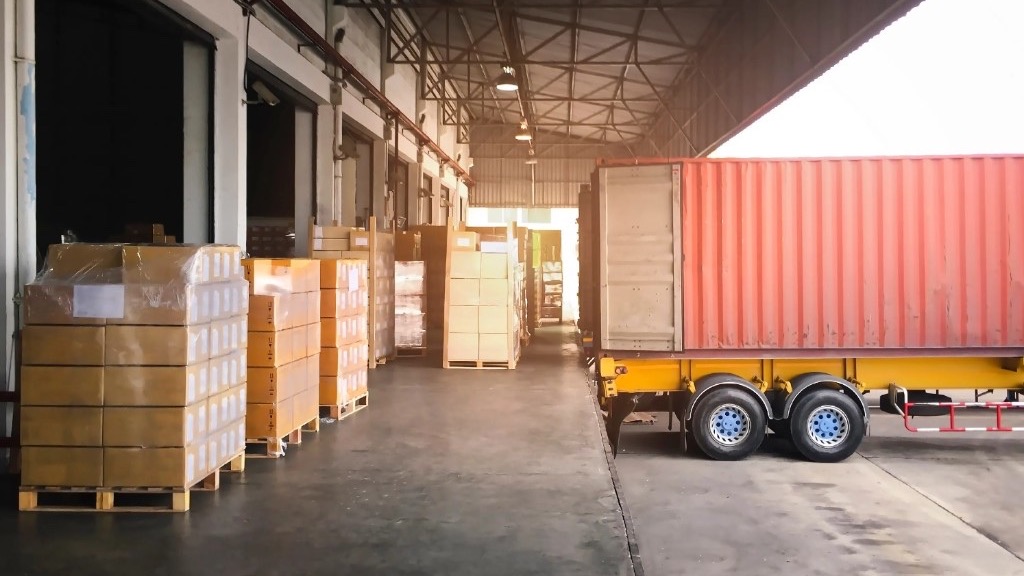
An unload zone is the physical space — bay, dock, or authorized street — where the unit can load or unload legally and safely. Without an available zone, the trip is not finished even if the truck is “outside.”
If GPS says “arrived” but the zone is closed, you do not have On Time — you have a photo of frustration.
Related: delivery window · redelivery · appointment no-show.
What it means in practice
In urban last mile the zone may be a municipal window; at a DC it is a door/bay with an appointment.
Cost shows up as detention, redelivery, fines, or Late OTIF when the zone was not confirmed in the booking.
Why it matters by role
| Role | Risk | If they improvise |
|---|---|---|
| Driver | Wait / fine | Clash with authorities |
| Shipper | OTIF / customer | Redeliveries |
| Last-mile 3PL | Cost per stop | Impossible routes |
| Accounts payable | Accessorials | Pays without evidence |
What to confirm before arrival
| Field | Question | Note |
|---|---|---|
| Location | Dock / street / bay? | GPS |
| Permit | Hours / authorization? | Urban |
| Appointment | Zone window? | TMS |
| Equipment | Liftgate / handling? | Accessorial |
| Plan B | Redelivery / wait? | Written |
How to govern the zone in 5 steps
Select a step to see detail
Step detail · 01
Confirm zone
Step 1
Expensive mistakes
1.Assuming “there is street space”
Illegal parking is not a plan.
2.Dock appointment without a physical bay
YMS/TMS lies to the driver.
3.No redelivery plan
The second attempt starts with no rate.
4.Facade photo as only evidence
It does not prove zone access or wait time.
OCL and the trip file
OCL helps record window, arrival, and exceptions (wait/redelivery) in the trip file. It does not process urban permits. OCL can stamp invoices and Carta Porte.
Sources and further reading
Key takeaways5 points
- Unload zone = physical space (bay, dock, authorized street) where the unit can legally and safely load or unload.
- It is the bottleneck that turns a good ETA into detention, fines, or redelivery.
- In Mexico city/DC settings, hours, permits, and “no space” define OTIF more than the highway.
- Tie it to the delivery window and arrival evidence (geofence/POD).
- OCL evidences appointment vs arrival; it does not manage municipal permits. OCL can stamp invoices and Carta Porte.
Does your ETA die at the unload zone?
Frequently asked questions
The authorized physical space where the truck can load or unload safely and legally.
The dock is a DC-type zone; in the city it may be a bay or timed street space.
Without an available zone, delivery is not completed on time even if the route ETA was good.
Detention, redelivery, liftgate, or others per contract and cause.
Zone address, window, equipment limits, and plan B.
Appointment/arrival evidence and exceptions to dispute costs with a base.